Safe seasonal supply
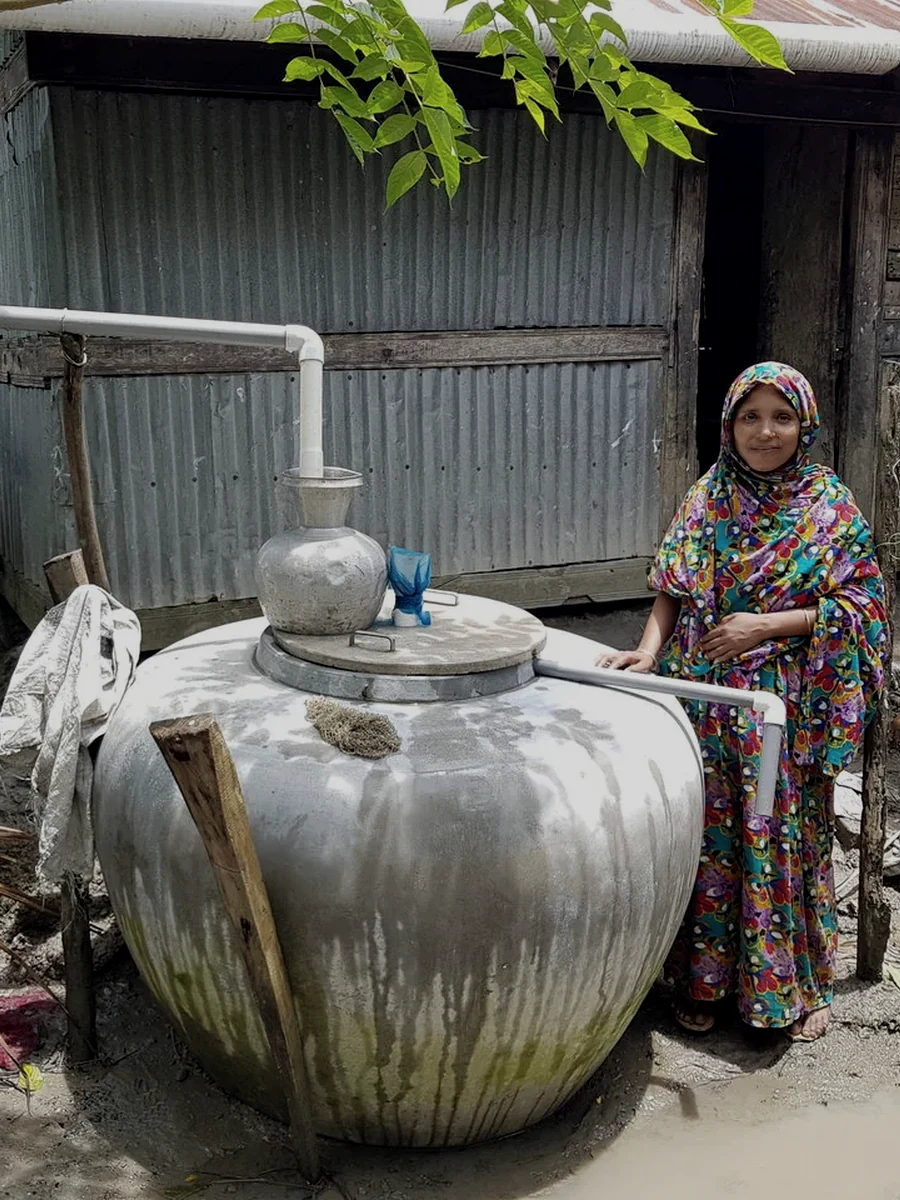
Water systems are selected and sited around measured need, quality, maintenance and seasonal reliability.
Open for funding · GLOW · Satkhira
Start with one Satkhira cluster. Test water, home, income and local organisation through a coastal year.
See what must hold ↓
Household continuity
Water, home, income and local organisation are interdependent. When one fails, the household feels the consequences elsewhere.
Atlas · Satkhira
Satkhira is the starting district. Field screening must confirm one community where household pressure, access and a women-led operator overlap. Crop Intelligence remains district context.
Different conditions. Same household.
Choose a season to see what changes, what has to hold and what would need to be measured.
Dry season · Water
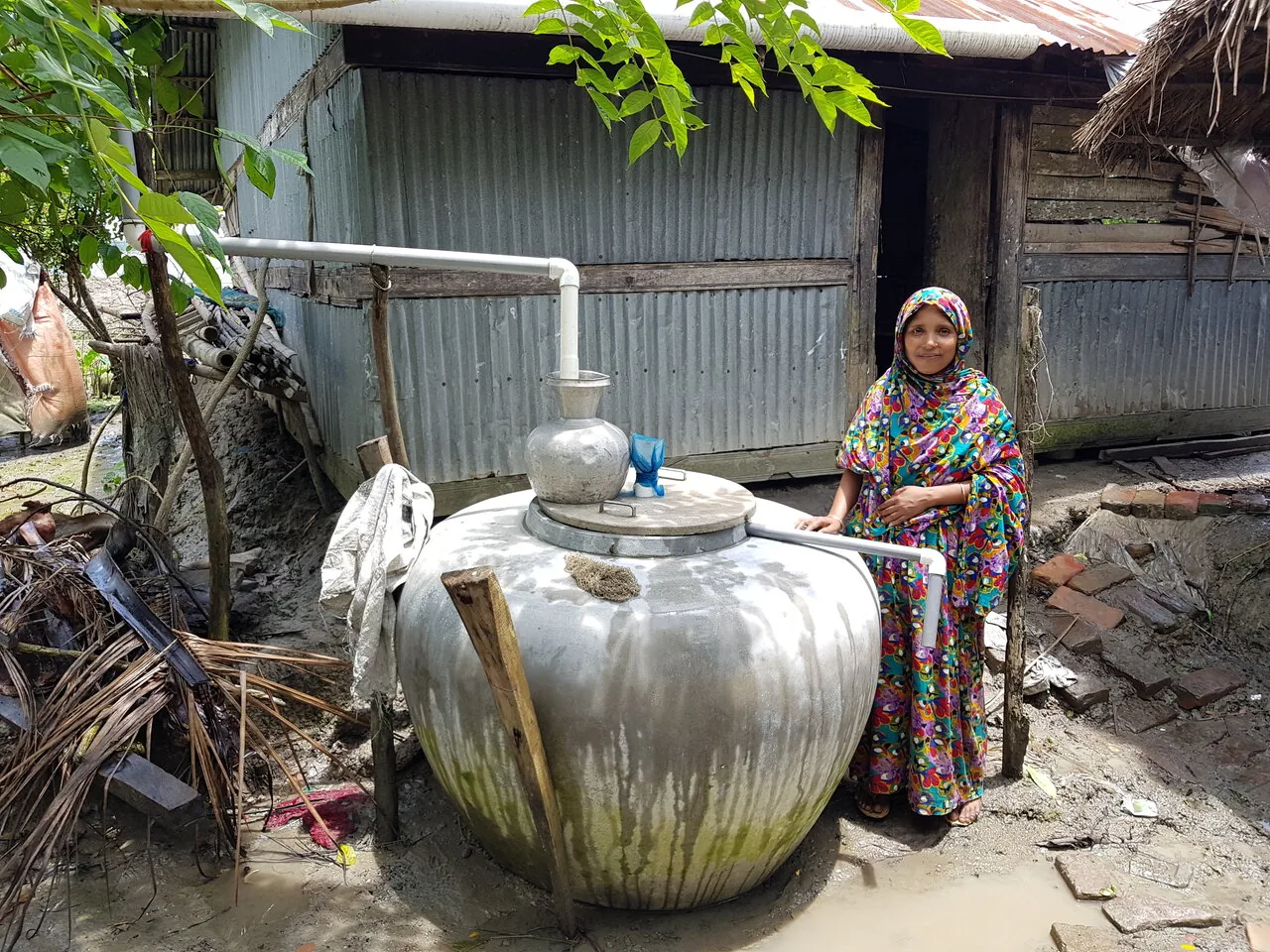
Rainwater storage, maintenance and water quality have to remain reliable at the selected site.
If safe water fails in the dry period, the household loses the first condition the cluster is meant to protect.
First-cluster response
Exact quantities are confirmed after the community, sites, operator and costed scope are fixed.
Water systems are selected and sited around measured need, quality, maintenance and seasonal reliability.
Household works are matched to verified exposure, access and maintenance needs.
Support is chosen around workable production, market routes and household cash-flow constraints.
Named roles cover maintenance, records, decisions and working links to local services.
Proof
Track what remains usable, who keeps it working and what changes as conditions become harder.
Baseline source reliability, functionality, maintenance and household use; then record seasonal performance.
Record delivery, access, functionality and maintenance responsibility against actual site exposure.
Track participation, costs, service use and verified market activity where the livelihood package applies.
Record active groups, meetings, maintenance, decisions and engagement with relevant local institutions.
Allocation
Reference programme mix. Percentages show the current planning allocation; final first-cluster scope and cost schedule are verified before approval.
Household adaptation and stewardship.
Water systems, quality and health protection.
Skills, records and local leadership.
Enterprise practice and market connection.
Reference allocation only. Quantities and costs are fixed once the community, sites, operator and costed scope are confirmed.
Funding decision
First community and asset sites confirmed.
Households and the women-led operating group confirmed.
Maintenance, local-service and market responsibilities named.
Approved first-cluster scope and operating costs finalised.
Open for funding
Review the first-cluster logic, evidence gaps and release conditions.