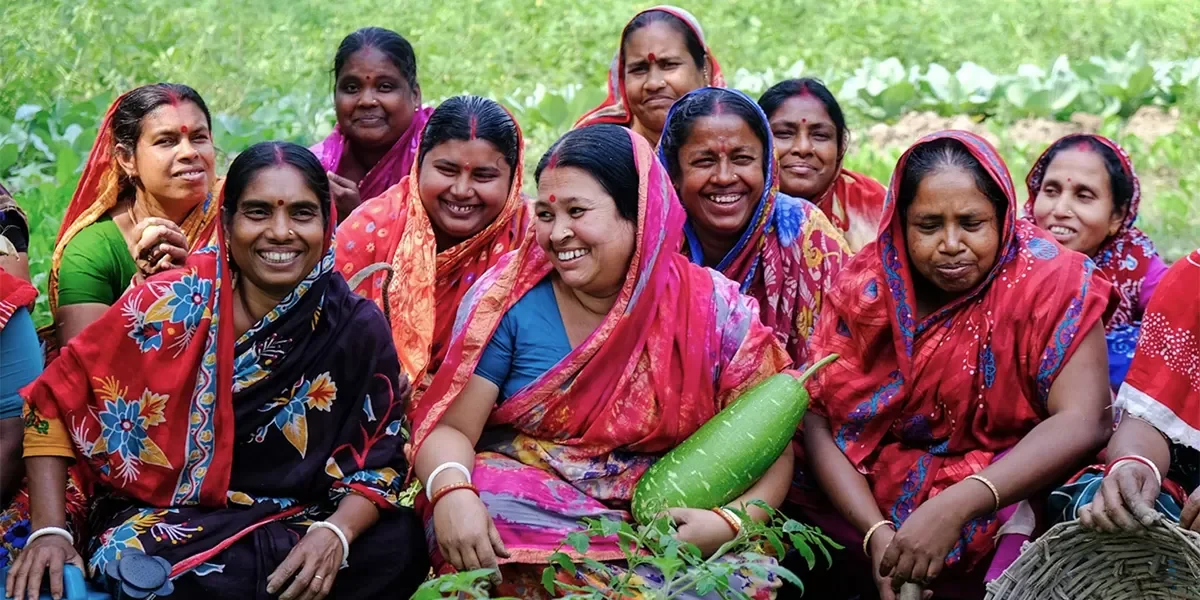
Women-led climate adaptation

Women-led coastal resilience.

GLOW Coastal Resilience links women’s groups, saline-tolerant livelihoods, rainwater systems, safer plinths and local planning voice in coastal Bangladesh.

1,500Women reached
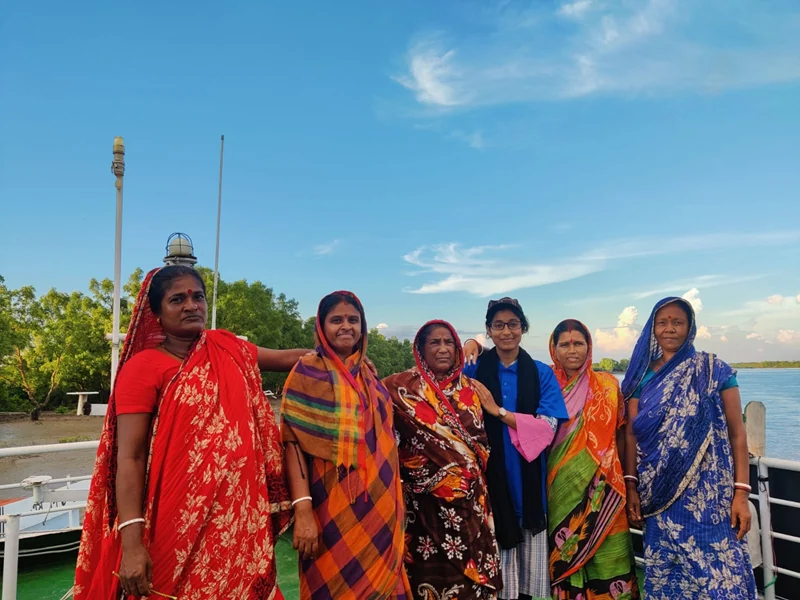
60Groups
150Raised plinths
Women-led climate resilience in coastal Bangladesh
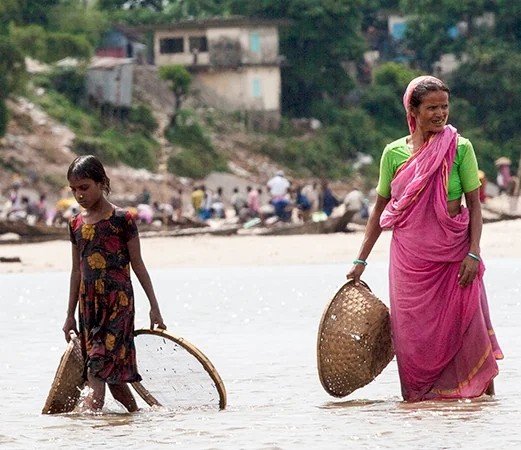
Satkhira, Khulna and Bagerhat, Bangladesh Women-led coastal resilience field context.
Indicative figures

The model is sized around groups, water and safer homes.

Figures are indicative targets until field records confirm delivery.

Women directly reached 1,500

Target reach across coastal climate-vulnerable communities.

Women’s groups 60
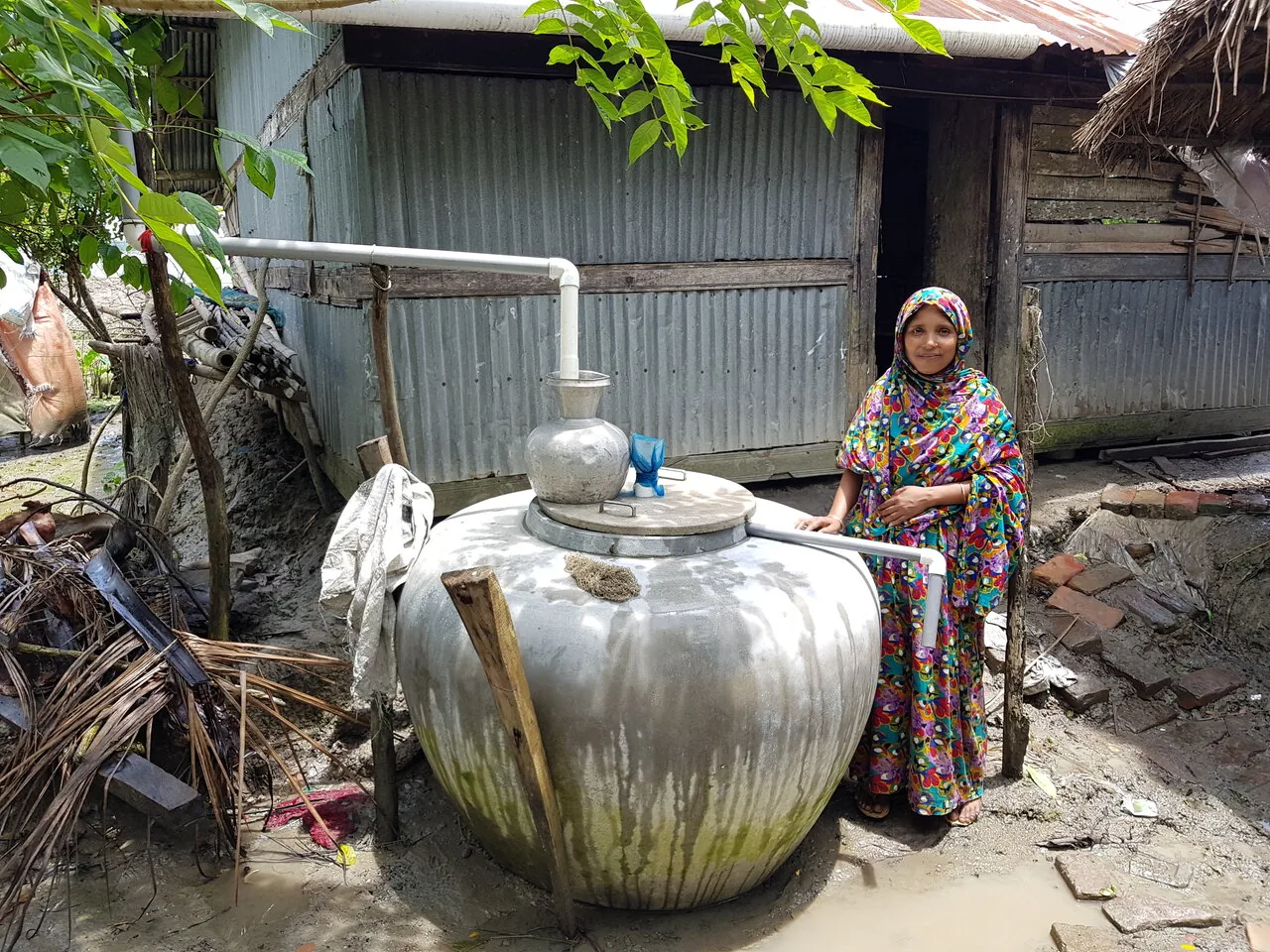
Rainwater systems 60
Raised plinths 150
Income target +40%
Field model

Resilience is built through groups, assets and local planning voice.

The model keeps the working logic clear for first review while partner roles are shaped through due diligence.

Organise

Women form climate resilience groups with savings, leadership and local records.

Diversify

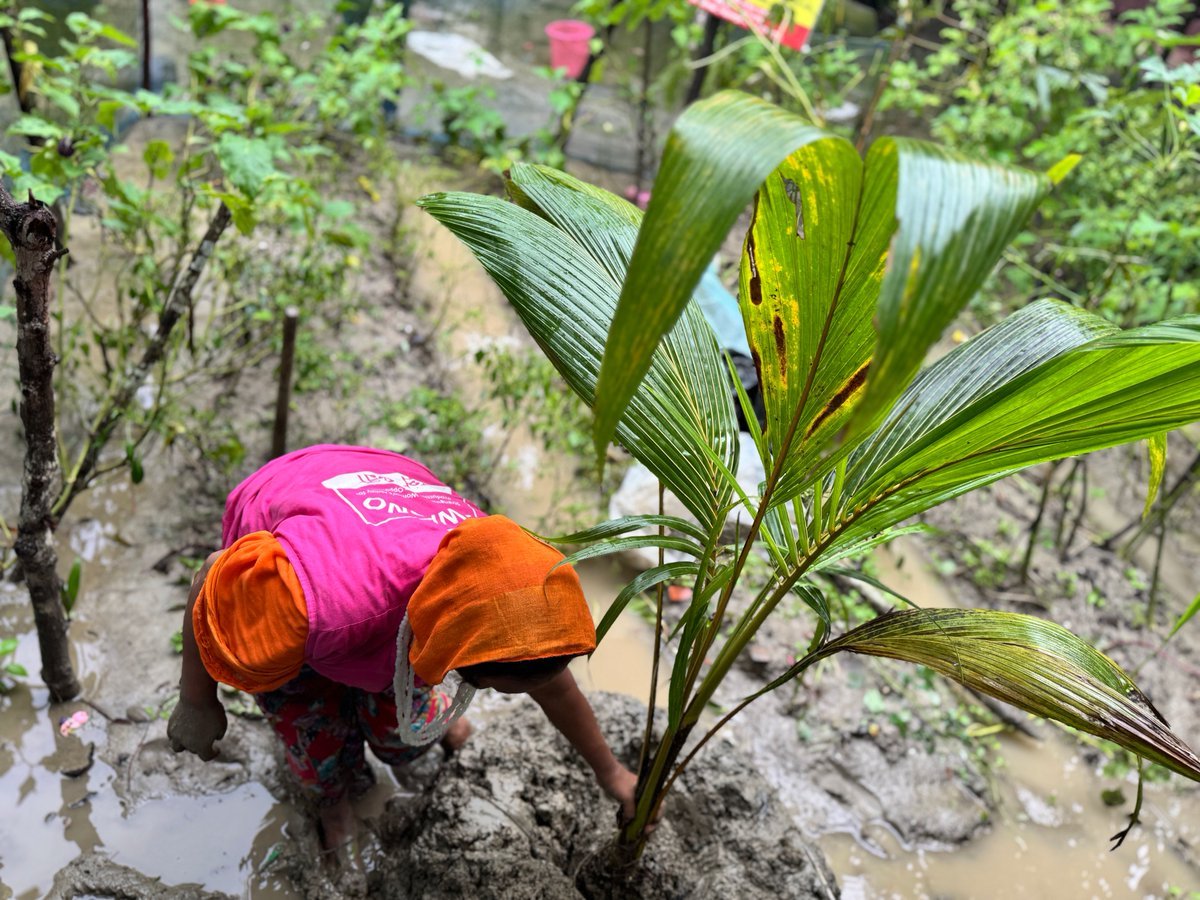
Saline-tolerant crops, livestock and composting reduce dependence on one fragile income path.

Protect

Rainwater systems and raised plinths reduce immediate survival and asset-loss pressure.

Influence

Dialogue forums and risk mapping move women’s priorities into local adaptation decisions.

Coastal resilience planning
Outcome dashboard

The proof is whether adaptation changes household options.

Track group registration, livelihood adoption, water access, plinth completion and local planning participation together.

Livelihood adoption80%
Group coverage60 groups
Income uplift target40%
What changes

Adaptation needs household options.

The model is strongest when water, income, safer housing and local decision access are planned through the same women’s groups.

What weakens coastal adaptation

  • 01Training reaches households before the income plan is clear.
  • 02Water assets are placed away from group upkeep routines.
  • 03Safer housing support is separated from livelihood risk.
  • 04Women’s priorities stay outside local planning decisions.

What GLOW changes

  • 01Groups carry savings, leadership and field records.
  • 02Livelihood options match saline and flood conditions.
  • 03Water and plinth support reduce daily climate pressure.
  • 04Dialogue forums move household risk into local plans.
Package design

A group can hold several adaptation needs at once.

The project reads strongest as a coordinated package with connected household interventions.

Asset delivery

  • Water, housing and income support sit in separate tracks.
  • Women join activities while planning influence stays weak.
  • Household change is hard to connect across outcomes.

Women-led package

  • Groups coordinate savings, records and upkeep.
  • Livelihoods, water and plinths reduce linked risks.
  • Local forums give the groups a place in planning.
Validation gates

Scale after groups can carry the package.

The next phase proves whether group routines keep services active through the coastal season.

01

Groups

Leadership, savings and attendance records are active.

02

Water

Rainwater systems are used and maintained through group routines.

03

Homes

Raised plinths are completed and checked after weather events.

04

Livelihoods

Saline-tolerant activities produce repeat household income.

05

Voice

Risk maps and group priorities enter local planning meetings.

06

Income

Household earnings are tracked against the baseline.

Partner ask

Fund a coastal adaptation package with women’s groups at the centre.

The package needs adaptation funding, livelihood training, water-system supply, local government facilitation and monitoring support.

01 | Organise

Use groups that can hold records and upkeep routines.

02 | Combine

Connect water, homes, income and voice in one field package.

03 | Repeat

Scale after the group model holds through the season.