Solar + last mile

Solar delivery with records.

A procurement and installation model for solar systems: vetted suppliers, NGO screening, regional stock movement, field installation and payment records.
8,000Projected systems
ReadyPartner model
Geo + photoInstall record
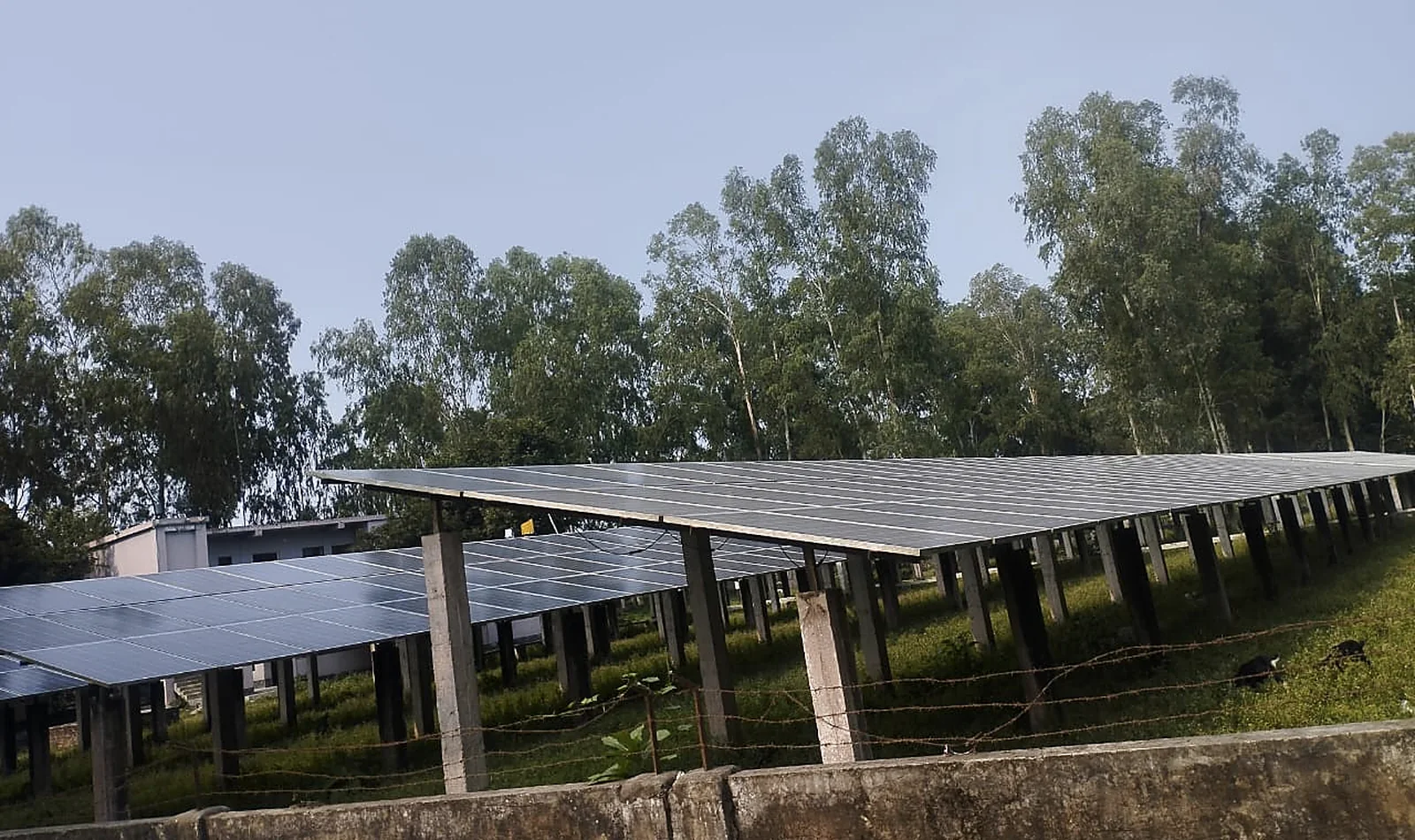
Solar infrastructure for rural delivery
Bangladesh Solar equipment from supplier to last-mile installation.
Design-stage model

The numbers describe planning assumptions.

These are projected scenario values until procurement and installation records confirm delivery.

Projected systems 8,000

Indicative scenario based on procurement, installation and service assumptions.

Partner model Ready
System path Last mile
Main control point NGO due diligence
Install record Geo + photo
Solar delivery

Procure centrally. Verify locally.

The model is less about moving panels and more about protecting quality, money flow and installation records.

Procure

Vetted suppliers, standard equipment checks and clear purchase controls.

Stage

Regional stock movement through warehouses and NGO hubs.

Install

Local partners coordinate last-mile installation and household or community handover.

Verify

Photo, geo, payment and maintenance records make the chain auditable.
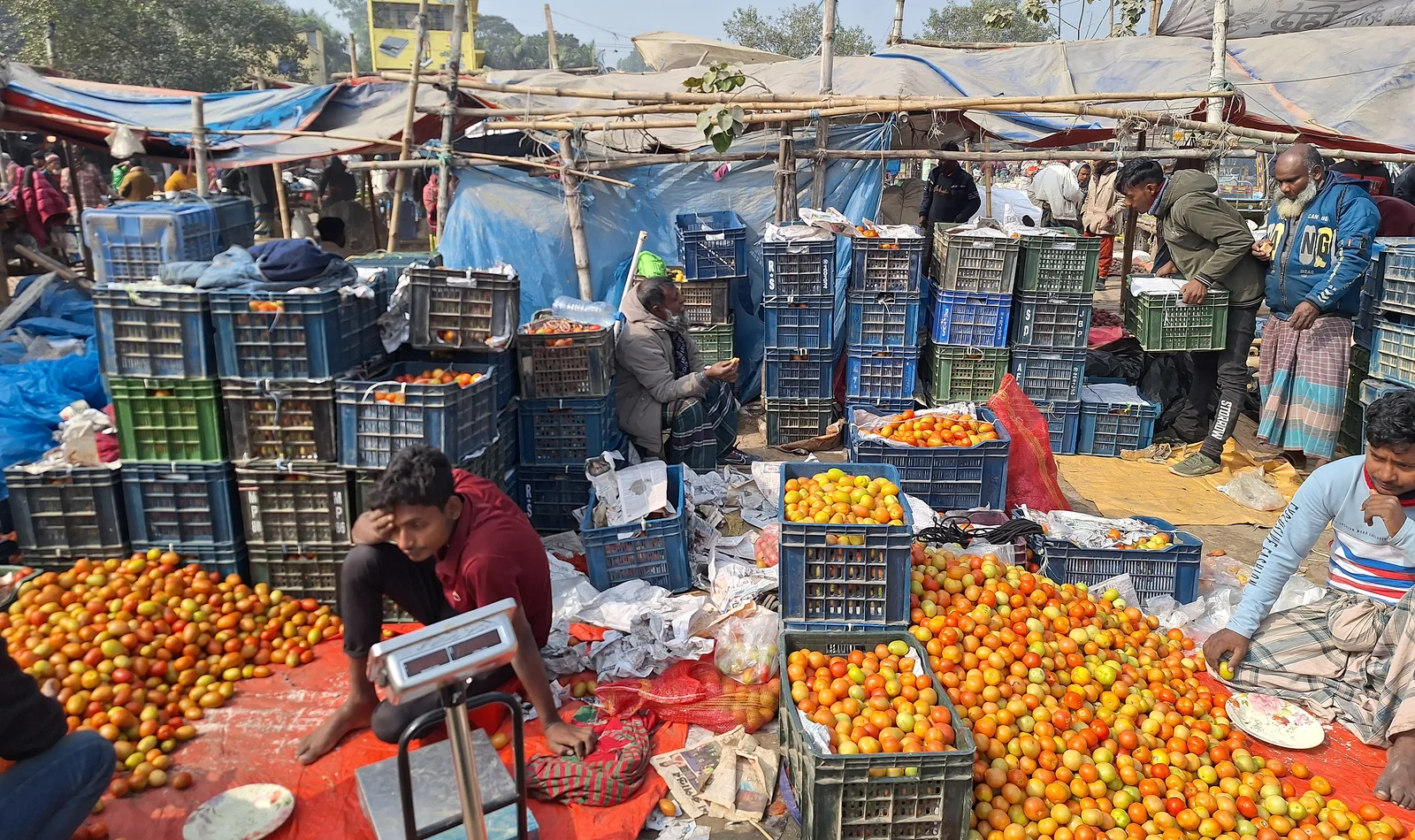
Rural supply movement
Control architecture

The risk sits between procurement and installation.

The check has four controls: supplier vetting, NGO onboarding, verified installation and repayment traceability.

Procurement controlRequired
NGO screeningRequired
Installation recordRequired
Repayment recordWhere applicable
What changes

Procurement needs field control.

The model improves when supplier selection, stock movement, installation checks and payment follow-up sit in one lane.

Where solar supply leaks value

  • 01Panels move before household screening is complete.
  • 02Regional stock changes hands with weak handover checks.
  • 03Installers finish work before photo, geo and household records are complete.
  • 04Payment follow-up sits away from the installation team.

What the model changes

  • 01Supplier vetting is tied to procurement terms and equipment checks.
  • 02NGO screening decides where systems can be placed.
  • 03Stock movement is recorded at every handoff.
  • 04The installation record closes the file before repayment follow-up begins.
Handoff control

Each handoff needs a named owner.

The path runs from purchase to working system in practical terms.

Open delivery path

  • Supplier quality varies.
  • Stock movement is hard to confirm.
  • Installation records arrive late.

Controlled lane

  • Approved suppliers and standard kit.
  • Named stock and field handoffs.
  • Photo, geo and payment records tied to each system.
Validation gates

Scale after the lane holds.

The first procurement lane has to prove the movement of kit, records and payment before national rollout.

01

Supplier

Equipment, warranty and delivery terms are checked before purchase.

02

Stock

Regional movement is logged with named receiving points.

03

NGO

Household screening and field readiness are confirmed before dispatch.

04

Installation

Photo, geo and handover records close each system file.

05

Payment

Repayment follow-up is tied to the installed system where relevant.

06

Service

Warranty and maintenance plans are assigned before expansion.

Partner ask

Open one procurement-and-installation lane.

The lane needs solar suppliers, last-mile NGOs, repayment platforms, verification teams and institutional partners.

01 | Select

Choose suppliers and NGO lanes together.

02 | Install

Close each system with field records.

03 | Expand

Repeat after the first lane has records.