
Learning
Learning in the languages people use.
- 520
- youth + adults · mother-tongue literacy
- 1,500
- students · stipends + materials
Open for funding · Chapainawabganj + Naogaon
Regional context
A 2024 study including Nachol found high drought-severity exposure. In 2026, government–UNDP work in drought-prone Naogaon centred on water security, climate-smart irrigation and resilient livelihoods.
Culture + language
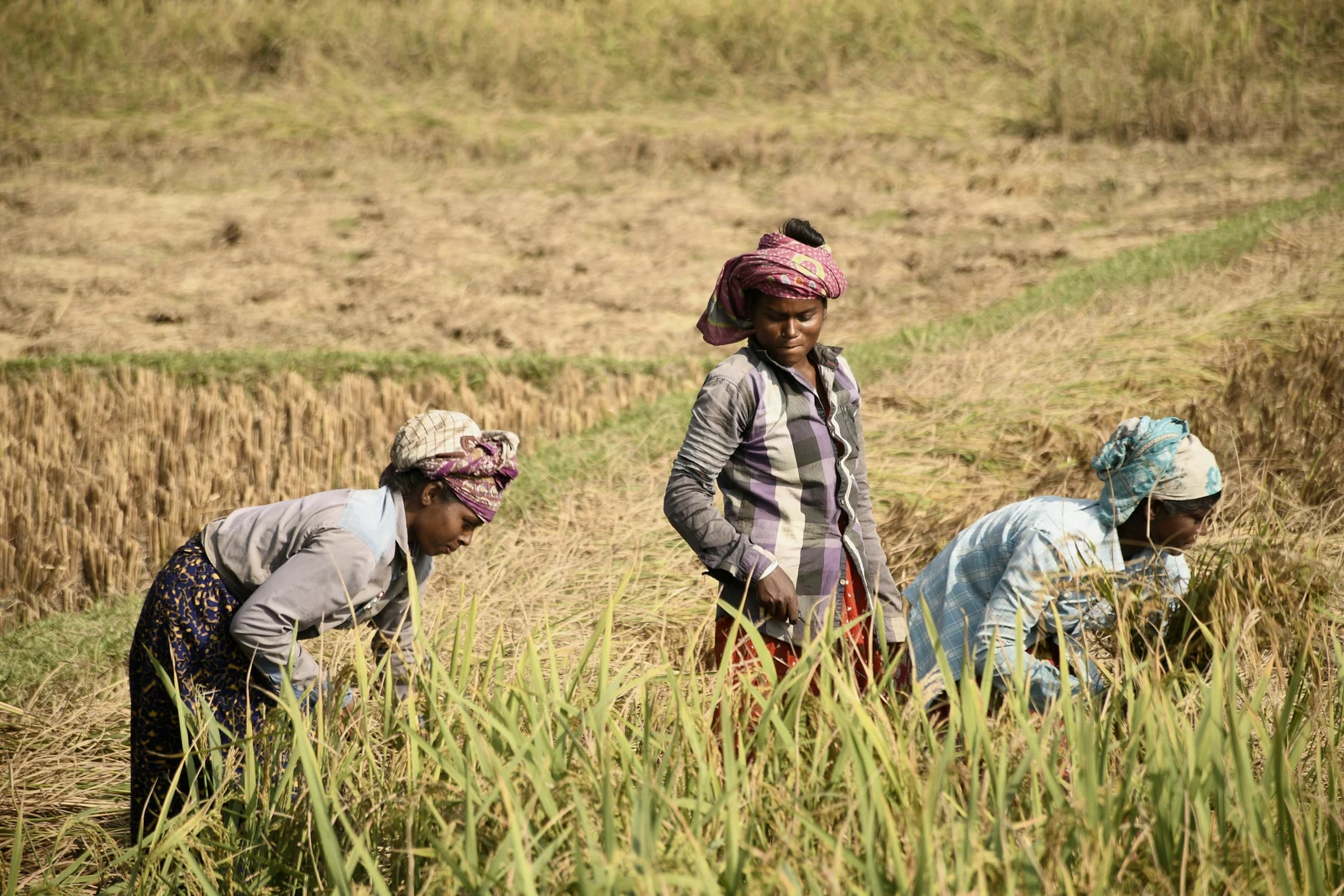
Naogaon records Santali alongside Bengali and multiple ethnic communities; Chapainawabganj Sadar records Santal, Oraon, Mahato and Munda communities. UNICEF reports persistent learning barriers for ethnic-minority children in Bangladesh.
Regional evidence sets context. ROOTS scope begins below.
Programme landscape
105 villages.
ROOTS is proposed across Chapainawabganj Sadar, Nachol and Patnitala. The first unit is three neighbouring villages, confirmed before delivery.
Proposed delivery
Learning, care, production, skills and local institutions make up the first programme.
Learning in the languages people use.
Care and safe water closer to home.
Inputs and practice for resilient production.
Skills that open routes to income.
A local route for issues, leadership and response.
Continuity test
Choose a relationship. Step project support back to see what must continue locally and which outside link still matters.
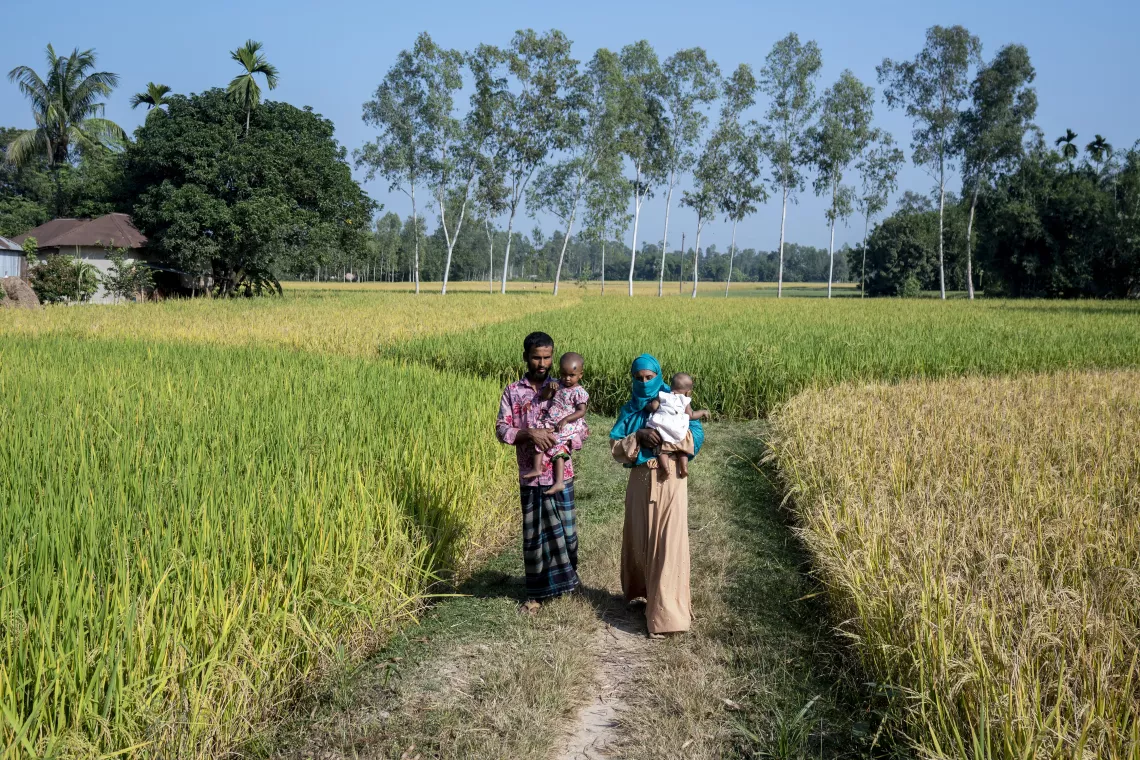
ROOTS proposes mother-tongue learning, materials and facilitator support.
Evidence
Targets define the intended reach. Monitoring will test whether people can understand, reach, earn and participate in practice.
520 literacy participants · 1,500 students · 68 facilitators
Attend → Learn → Continue
10 water systems · 165 service workers · 8,000 people targeted
Function → Quality → Use → Referral
950 households trained · 20 enterprises · 500 adopters targeted
Adopt → Produce → Continue → Sell
105 village committees · 3 CBOs
Represent → Raise → Respond → Follow through
Indicative allocation
First programme model. Final shares follow cluster confirmation.
25%
Mother-tongue learning, student support, cultural continuity.
25%
Health access, trained providers, safe water.
25%
Climate-resilient agriculture, inputs, continued production.
10%
Vocational skills and micro-enterprise.
15%
Village committees, CBOs, local-government links.
Cultivera planning allocation · percentages total 100%.
Readiness
Confirm these operating details before delivery.
Exact three villagesConfirm neighbouring sites and sequence.
Community consentConfirm participation, self-identification and priorities.
Delivery capacityConfirm responsible people and organisations.
SafeguardsClose child, health, data, grievance and inclusion controls.
Baseline + first-year planSet starting conditions, service links and maintenance responsibilities.
Final implementation scopeLock quantities, responsibilities, sequence and recurring requirements.
Open for funding
Begin with three neighbouring villages. Learn what holds in practice, then decide what should grow.
Request the three-village brief