Cultivera Insights | June 2026

What biogas needs after installation

Bangladesh knows how to install biogas plants. The harder work starts after handover: use, repairs, safety and a buyer for digestate. Finance should pay for proof that the system still works.
Published source 56,500+ Biogas plants financed by IDCOL by Dec 2020
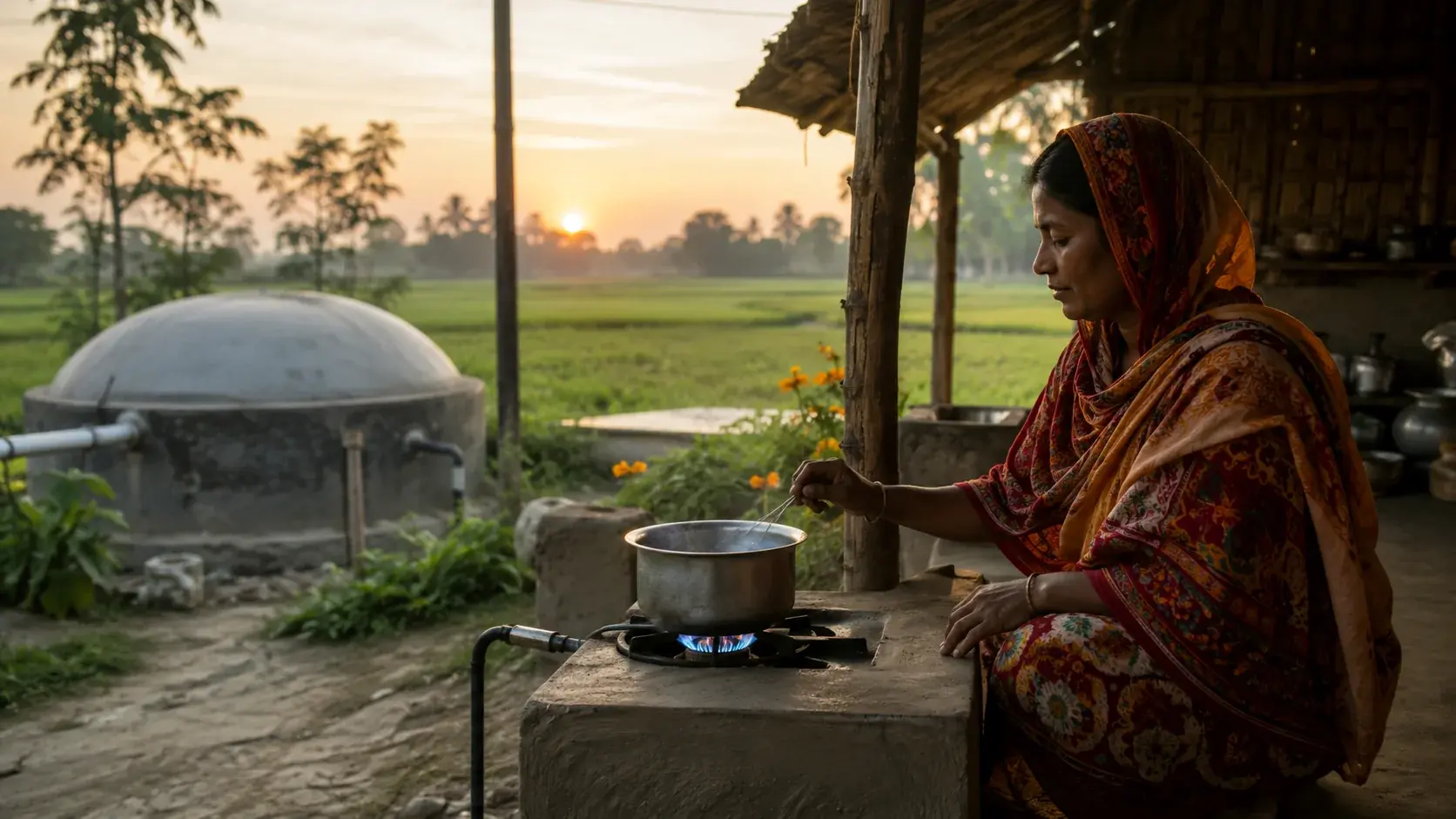
Illustrative rural biogas cooking scene in Bangladesh
A useful biogas plant keeps producing gas, can be repaired and leaves behind records of real use.

Keep the plant useful.

Decide from asset, use, service and value records.

Field Record before expansion

The record must follow the unit.

Asset file
Household, GPS, installer, commissioning, safety and consent.
Use record
Gas use, fuel stacking, feedstock routine and household value.
Repair log
Fault, response, parts, downtime, repair cost and closure.
Payment trail
Digestate quantity, quality, buyer, invoice and payment.

Choose workable service areas.

Choose places with feedstock, water, technicians and buyers.

Treat each product separately.

Wet slurry, compost, vermicompost, granules and Bio-CNG need different rules.

Resolve approvals before investment.

Map fertiliser, gas, safety and emissions requirements before capital moves.
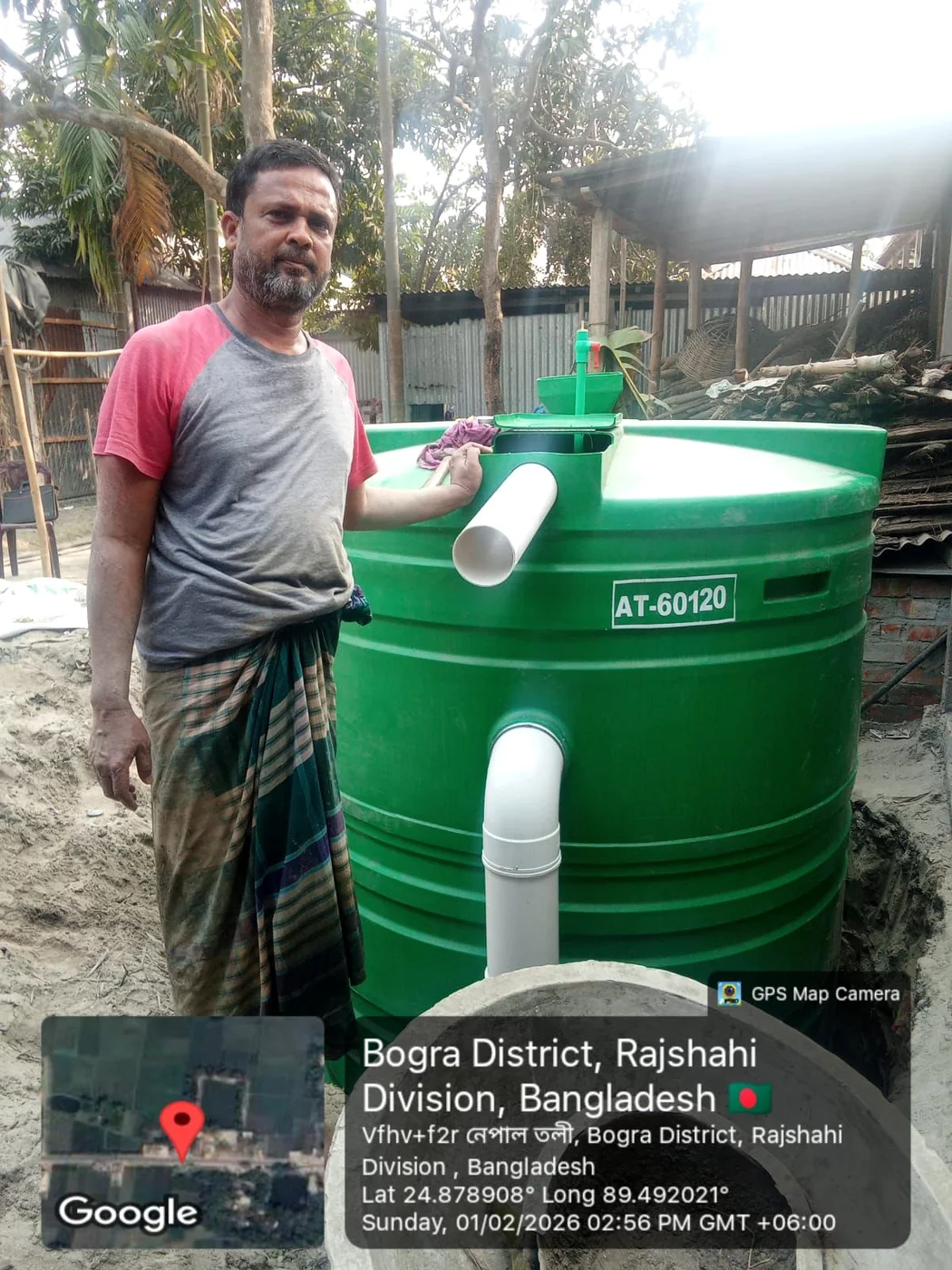
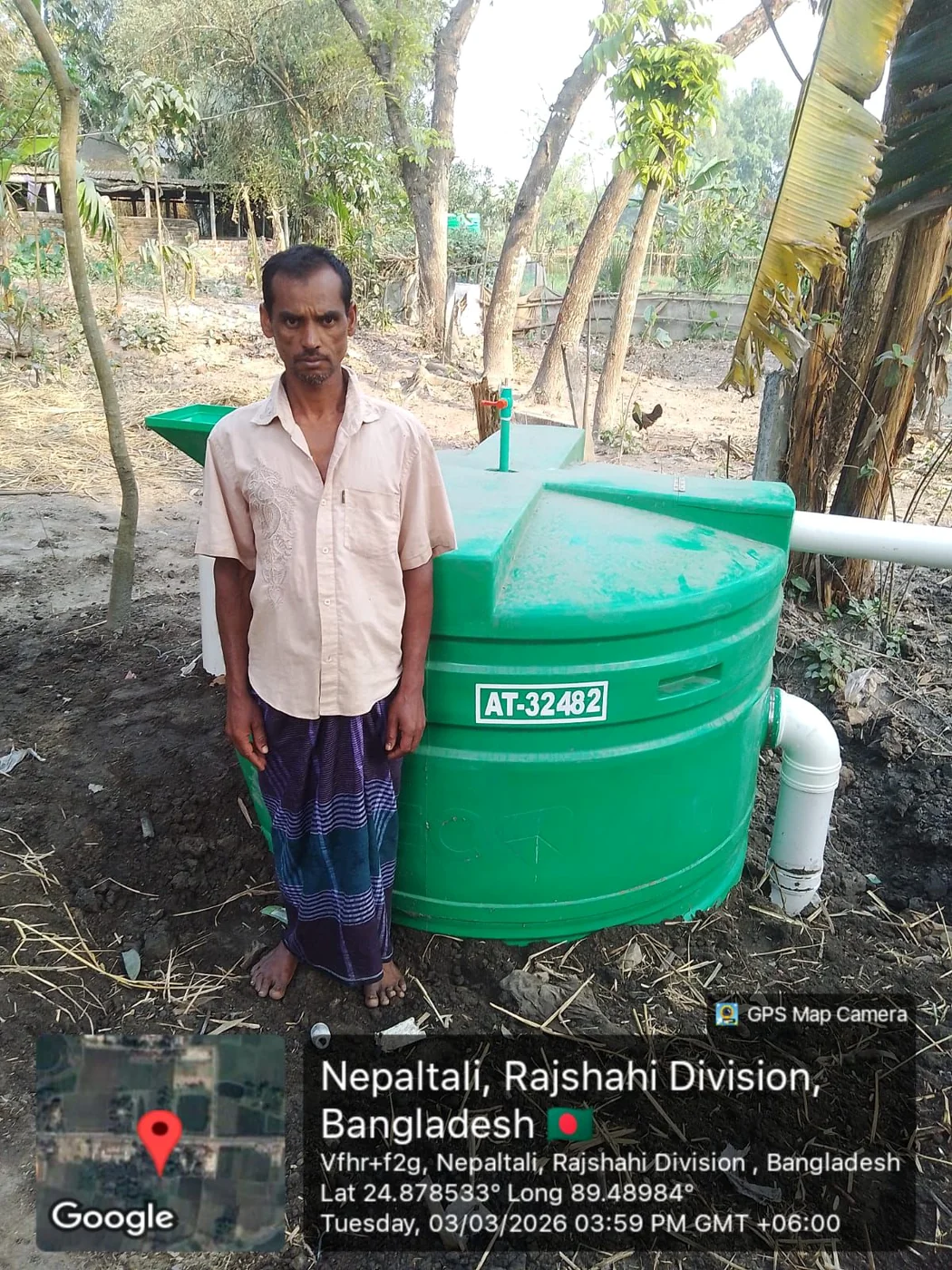
Man standing beside a green household biodigester in Bogra District
Bogra District, Bangladesh A household biodigester is only useful if it keeps producing gas and receives repair support.

Measure whether the plant is still useful.

Function

Check the plant at 6, 12 and 24 months.

Service

Record tickets, response time, parts and downtime.

Value

Track fuel savings, slurry use, sales and payments.
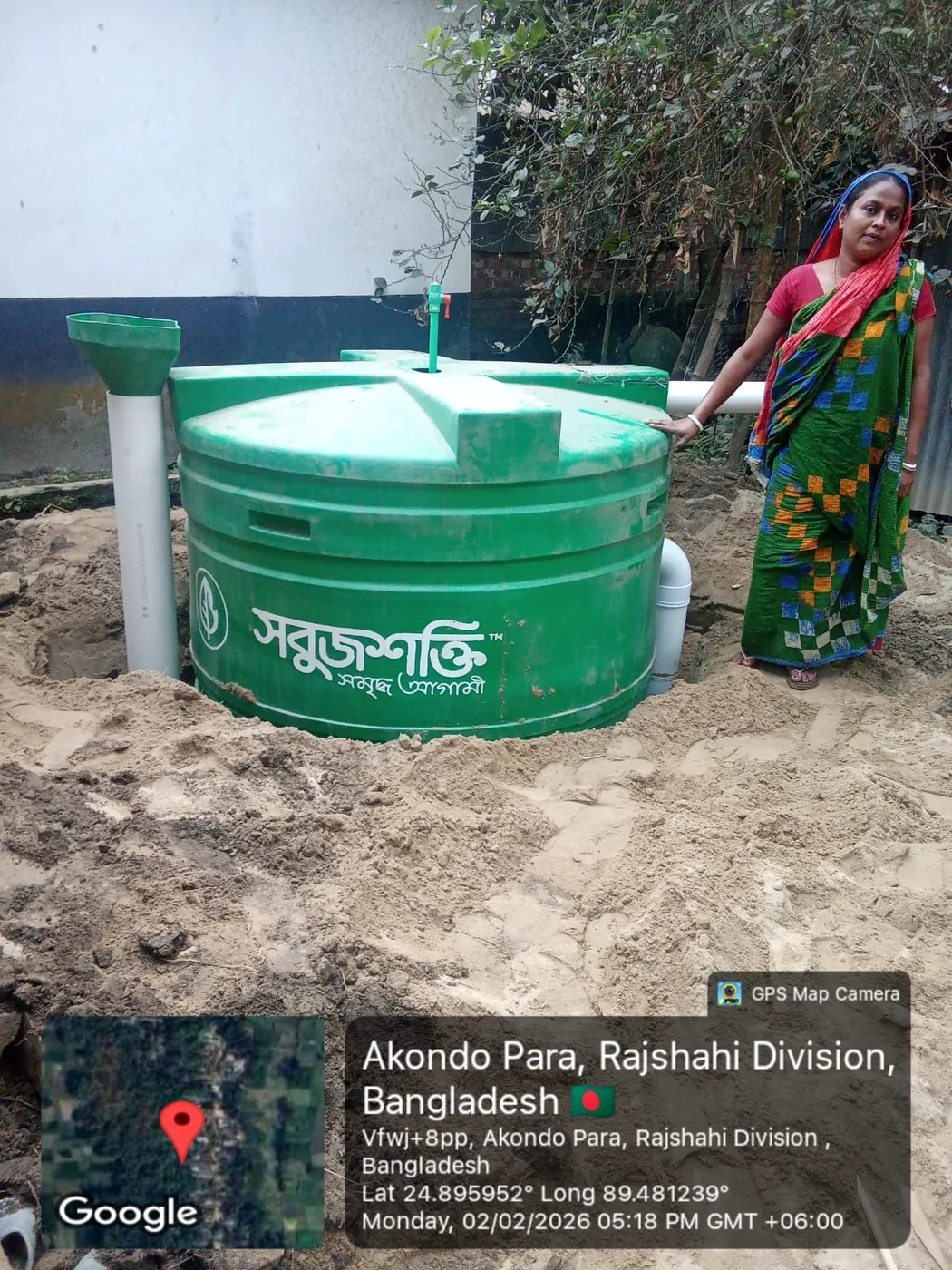
Woman standing beside a green household biodigester
Bogra District, Bangladesh Household proximity makes safety, service access and retained use easier to check.
Man standing beside a green household biodigester
Rajshahi Division, Bangladesh Follow-up should show whether the unit still works.
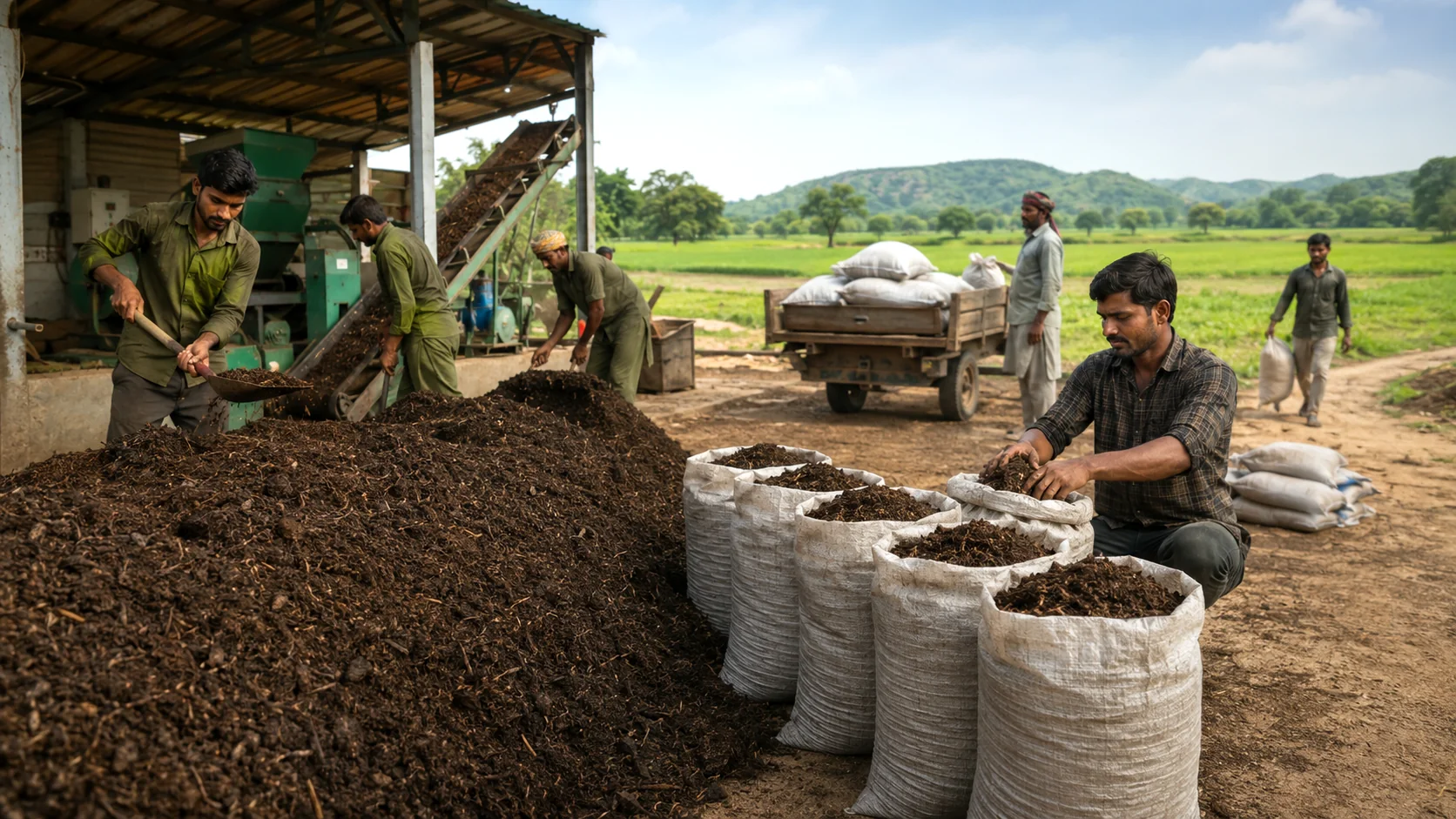
Illustrative digestate processing and bagging scene
Rural Bangladesh Digestate only becomes value when processing, quality and buyers are organised.

Digestate needs a buyer.

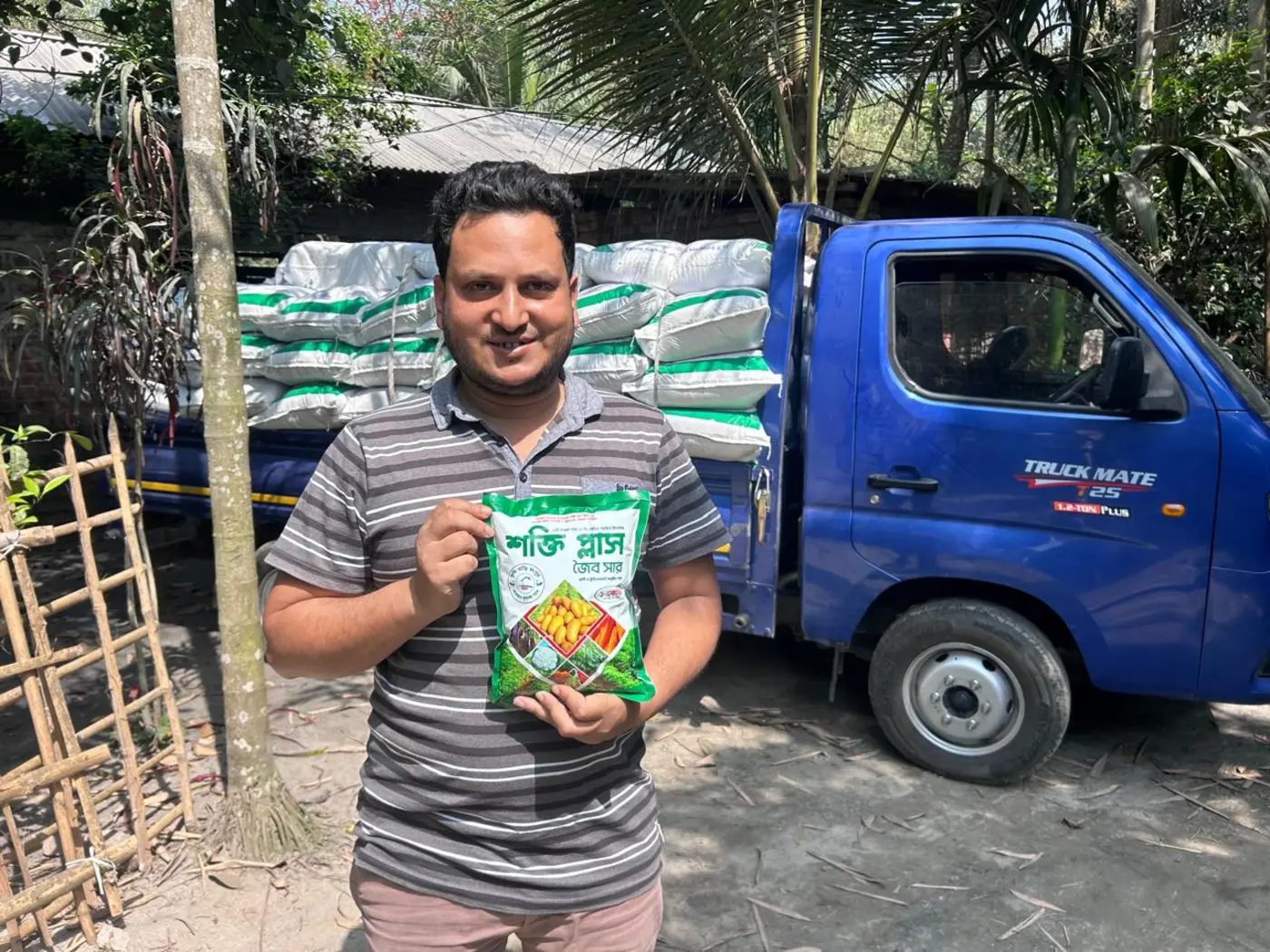
FSMV shows the field lesson: producers, quality support and buyers have to be organised together.

FSMV vermicompost entrepreneur with packaged organic fertiliser

Find the buyer first.

Promise digestate income only after standards, buyer commitments and payment records exist.

"Now we can sell it easily and earn cash in hand."
Project-reported 11 + 11 Women producers linked across two FSMV clusters
Project-reported ~20 Additional women reportedly started independently
Project-reported 3.75x Reported entrepreneur monthly sales growth

Go back to the field.

Before new money goes in, check what works, why plants stopped and what a viable cluster costs.

Map every unit

  • List every unit with household, location and installer.
  • Mark it as working, damaged, idle or missing.

Diagnose failures

  • Check feedstock, water, user effort and repair history.
  • Separate bad siting from fixable service gaps.

Verify the digestate market

  • Measure what is used, collected or sold.
  • Record the buyer, price, quality and payment.

Decide what happens next

  • Expand only where use and service hold up.
  • Repair, redesign or stop where they do not.

Keep evidence and assumptions separate.

Keep public data, project material and proposed operating rules distinct.

Priority data still missing
  1. Reconciled asset register with GPS, household, installer, commissioning and status fields.
  2. Current functionality and stove-use checks across 6, 12 and 24 months.
  3. Repair cost, service response and digestate payment records.
  4. Written regulatory path for fertiliser, gas, safety and emissions authorisation.
Supporting sources

Sources include public clean-cooking, livestock, finance and policy material plus project-supplied records. Project-reported figures are not independently verified impact.

Use the record for the next investment decision.

Discuss a field review