Household biodigesters
Approved Phase I delivery ambition.

Green Flame separates contracted installation, reported delivery and the evidence still required to establish sustained use, servicing and household value.
The signed Phase I design establishes the delivery ambition, geography, financing and implementation responsibilities. It does not establish what was ultimately installed, commissioned, functioning or used.
Approved Phase I delivery ambition.
200 systems planned in each district.
Approved programme schedule in the supplied agreement.
Source: signed City Bank Project Green Flame agreement and Annexure 1 · contracted design, not delivery evidence.
Every figure is paired with its evidence class. The ledger avoids converting an approximate installation update into a completion rate or impact claim.
| Measure | Current record | Evidence class | Interpretation |
|---|---|---|---|
| Contracted Phase I target | 400 systems | ContractedSigned agreement · October 2025 | Approved ambition, including 200 in Sirajganj and 200 in Bogra. |
| Latest installation update | ≈300 systems | Project-reportedLatest supplied update · June 2026 | Requires household, asset and commissioning reconciliation before performance is inferred. |
| Currently functioning | Pending physical verification | To verifyInspection protocol required | Installation cannot yet be translated into operating performance. |
| Sustained household use | Not yet established | To verifyRepeat checks required | Requires observation at defined intervals and across seasons. |
Installation is one point in a longer evidence chain. The persistent record shows what is contracted, reported and still required before replication.
Swipe through six proofs 1 / 6
Eligibility requires more than interest. Livestock, water, labour, affordability, location and consent shape whether the asset can function over time.
The supplied delivery update places installations at approximately 300. The record still needs household matching, asset identity, installation date and ownership evidence.
Completion should include leak testing, flame testing, component checks, user training and time-stamped evidence before the asset enters the operating record.
The asset must produce usable gas, retain working components and have an identifiable fault and repair history at the time of inspection.
Regular cooking, seasonal continuity, feedstock, cleaning, downtime and fuel stacking must be observed over defined intervals.
Fuel displacement, time, expenditure, digestate use, transactions and household benefit must be measured together.
Stage 1 of 6: Eligible
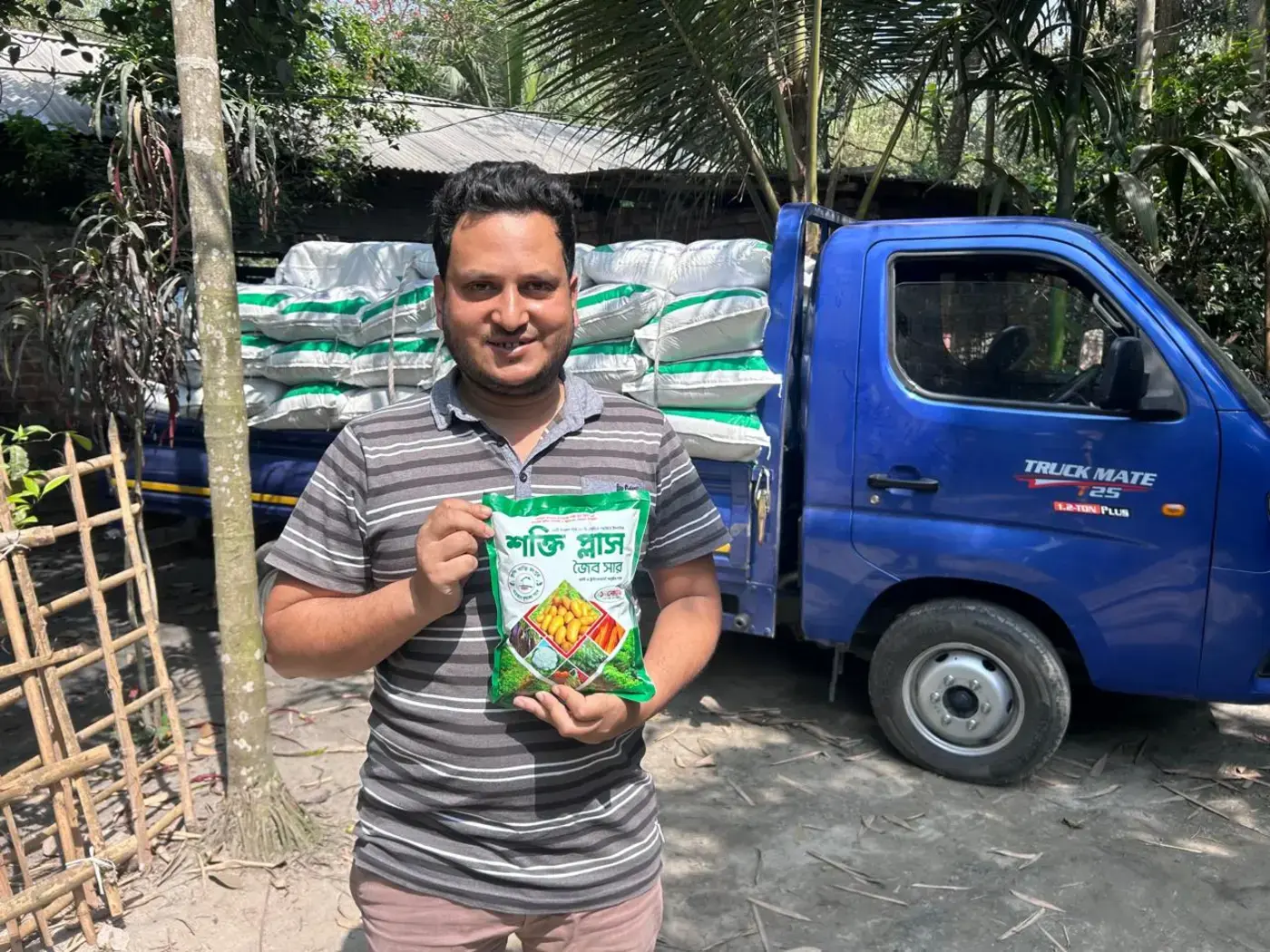
Supplied project image. Product specification, volume, buyer acceptance, price and household payment remain to be reconciled.
These are project-reported signals and operating interpretations. Each still requires reconciliation or field verification.
Strong uptake was reported across Sirajganj and Bogra.
Concentrated sites reportedly eased mobilisation, installation, monitoring and after-sales routes.
Repairs, parts, technician access and operating guidance determine whether hardware remains usable.
Households reportedly valued help converting digester output into a usable farm input.
A large 2025 Nepal household-biogas study found component failure, insufficient feedstock, weak cleaning and limited repair services among the mechanisms associated with abandonment. It is a comparator, not a Green Flame failure-rate estimate.
Comparator: Lohani et al., Scientific Reports, 2025 · 2,559-household Nepal sample · used to illustrate failure mechanisms only.
Digestate can carry useful nutrients, while quality and safe application depend on feedstock, operation, characterisation, handling and processing.
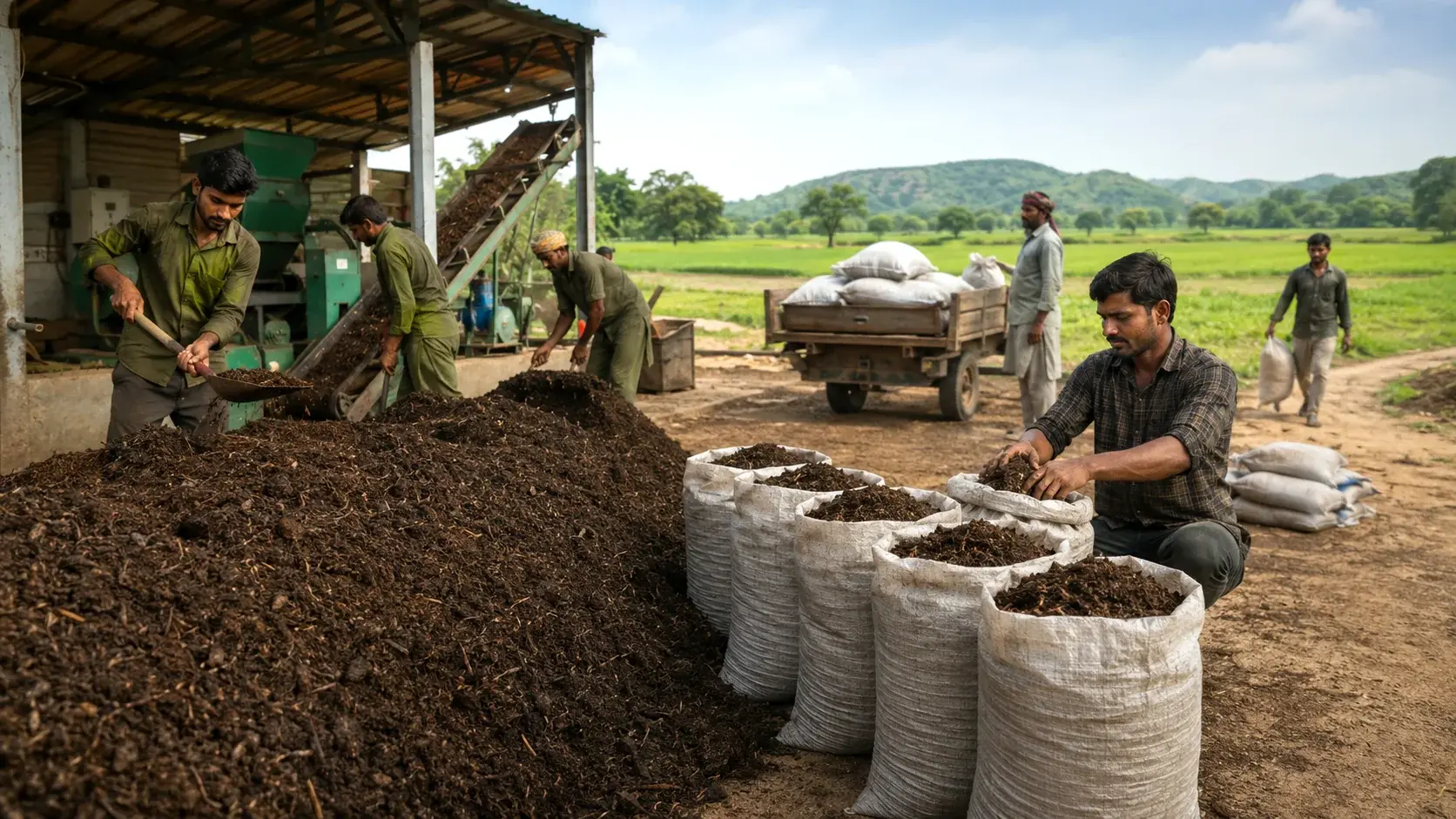
Mass and household source recorded.
Wet and dry quantity established.
Nutrient and safety properties tested.
Storage, processing and transport defined.
Farm application or buyer acceptance documented.
Transaction and net household benefit recorded.
Digital entry is not verification. Each record should show who entered the data, what supporting evidence exists, whether the asset was physically checked and whether an independent reviewer confirmed the result.
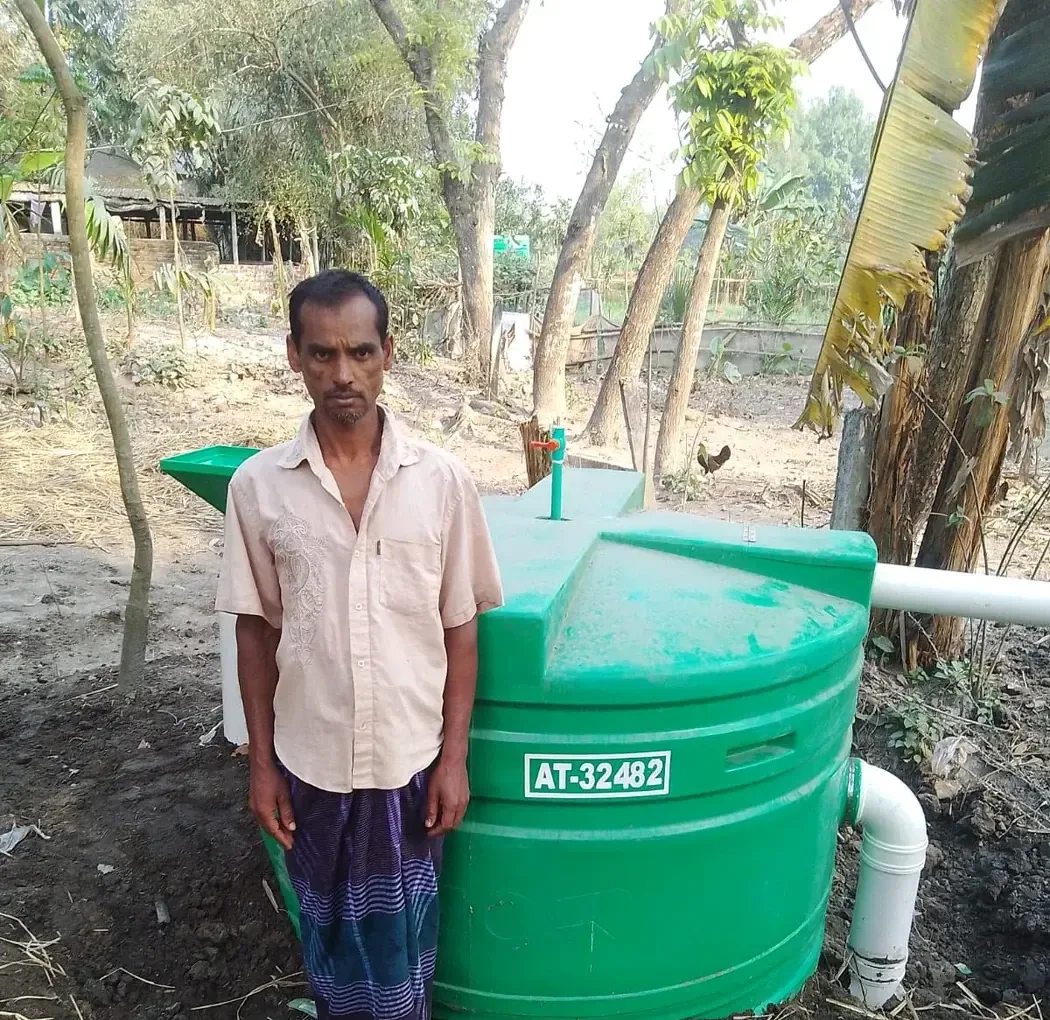
Household, location, commissioning, use, service, digestate and verification history stay connected through one persistent asset ID.
Identity, cattle, water, affordability and data rights.
Location, serial, installer, completion and flame test.
Use, traditional stove and fuel-stacking checks.
Fault, response, repair, parts and cost.
Quantity, quality, buyer, invoice and household payment.
Document support, field check and independent review.
The unresolved questions are consolidated here. Every measure requires a dated source, defined protocol, household or asset match, field check and independent review where applicable.
| Decision measure | Current status | Evidence required |
|---|---|---|
| Verified functioning assets | Pending | Reconciled register, physical inspection and flame test. |
| Sustained household use | Not yet measured | Repeat household checks at defined intervals and seasons. |
| Service performance | Not yet consolidated | Fault, response, downtime, repair, parts and route-cost records. |
| Household value | Not yet measured | Baseline and follow-up fuel, time, expenditure and affordability data. |
| Digestate value | Not yet established | Quantity, characterisation, use, sales and household-payment evidence. |
| Cost per verified functioning asset | Pending preceding measures | Reconciled programme cost and independently defined functionality status. |
The next step is a defined verification brief that reconciles Phase I before any repeat decision.
Contracted evidence: signed City Bank Project Green Flame agreement and Annexure 1. Authoritative for approved design, not results.
Project-reported evidence: latest supplied implementation update. Useful for signals; not independently verified.
Comparator: 2025 Nepal household-biogas survey of 2,559 households. Used for service and abandonment mechanisms, not a Bangladesh rate.
Digestate: recent reviews support nutrient potential while identifying quality, pathogen, contaminant and application risks.
National context: IDCOL reports 68,000+ household systems financed by December 2023. This supports investigation, not proof of current function, use or Green Flame replication.
The evidence record identifies what remains unresolved: reconcile household, asset, function, use, service and value records before any repeat decision.