73,050 t

Open for funding · Mahasthangarh Agri-Value Hub · Shibganj, Bogra
Protect more ofBogra’s harvestbefore sale.
A 12-month first site protecting produce after harvest and giving producers more choice when they sell.
Request the project briefBogra context
Bogra grows. Value still gets lost.
Bogra produces at scale. At Mahasthan, time and condition can quickly reduce the choices available before a crop is sold.
Tk 200–300 less per maund
Wholesale prices fell Tk 200–300 per maund as winter vegetable supply rose at Mahasthan Haat.
Dec 2024 · BSS1,178,604 t
158,130 t
BBS 2024–25 · rank among 64 districts
Explore Bogra in Crop Intelligence →Producer choice
Where does the producer lose choice?
A producer’s options can shrink quickly between harvest and sale.
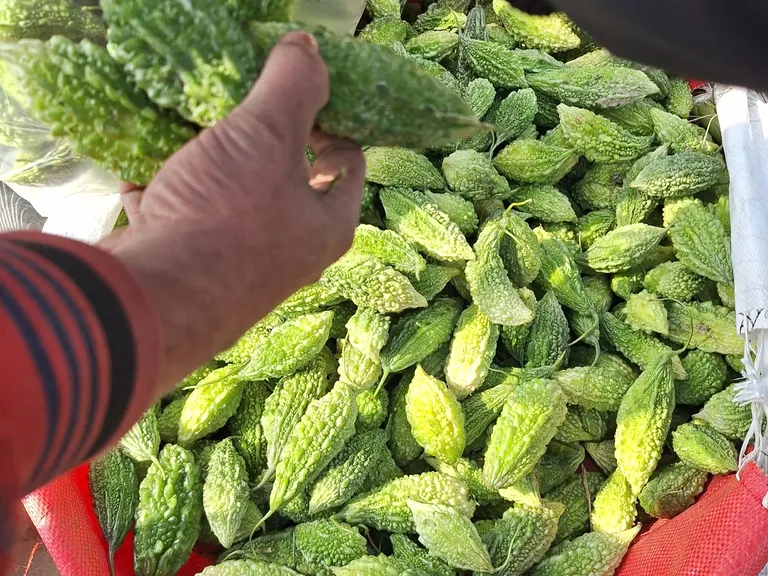
There is still room to choose.
The first site is built around protecting that room between harvest and sale.
Illustrative sale windowWhat narrows the sale window?
First-site delivery
What your investment buys.
The first site combines protected growing, short-term preservation, local soil inputs and basic health access.
-
12Poly-net housesProtected growing and nursery production.
-
3Preservation centresA place to handle and hold produce before sale.
-
100Vermicompost unitsLocal production of organic soil inputs.
-
3Health kiosksBasic checks, prevention and referral close to participating communities.
1,200 rural households in the first-site area, aiming to reach 500 producer households
First-site proof
The sale should show whether it worked.
Start with a baseline. Then test whether more produce reaches sale in better condition, with more choice and stronger net value.
ReachTarget
500 active producer households · 25% addressable marketed volume handledConfirm the volume denominator with the first catchment baseline.
ConditionTarget · after baseline
−20% relative physical loss and quality downgradeCompare like crops, seasons and handovers.
ChoiceBaseline first
Waiting, condition, buyer reach, deductions and settlementBaseline the selling conditions directly before setting an improvement target.
ValueTarget · after baseline
+7% net realised producer priceCompare like transactions after fees, transport and deductions.
Operating viability · Target60% variable operating-cost recovery
Final full operating quarter.
Allocation
Where the money goes.
Indicative first-site mix.
Environment59%
Protect the harvest.
Protected production, preservation, vermicompost and handling infrastructure.
Education21%
Build local capability.
Practical, financial and enterprise support for producers and the local team.
Health20%
Bring basic support closer.
Health kiosks and participating-household access to diagnostics and referral.
Before capital release
Four checks before the first site is fixed.
- Site + producer demandConfirm site access, seasonal marketed volume, fees and repeat-use demand.
- Buyer termsDocument grades, volumes, timing, deductions, settlement and counterparties.
- Operator + economicsName the operator; verify staffing, utilisation, service economics and procurement.
- Baseline + safeguardsFix denominators, measurement ownership, complaints, participation and reporting responsibilities.
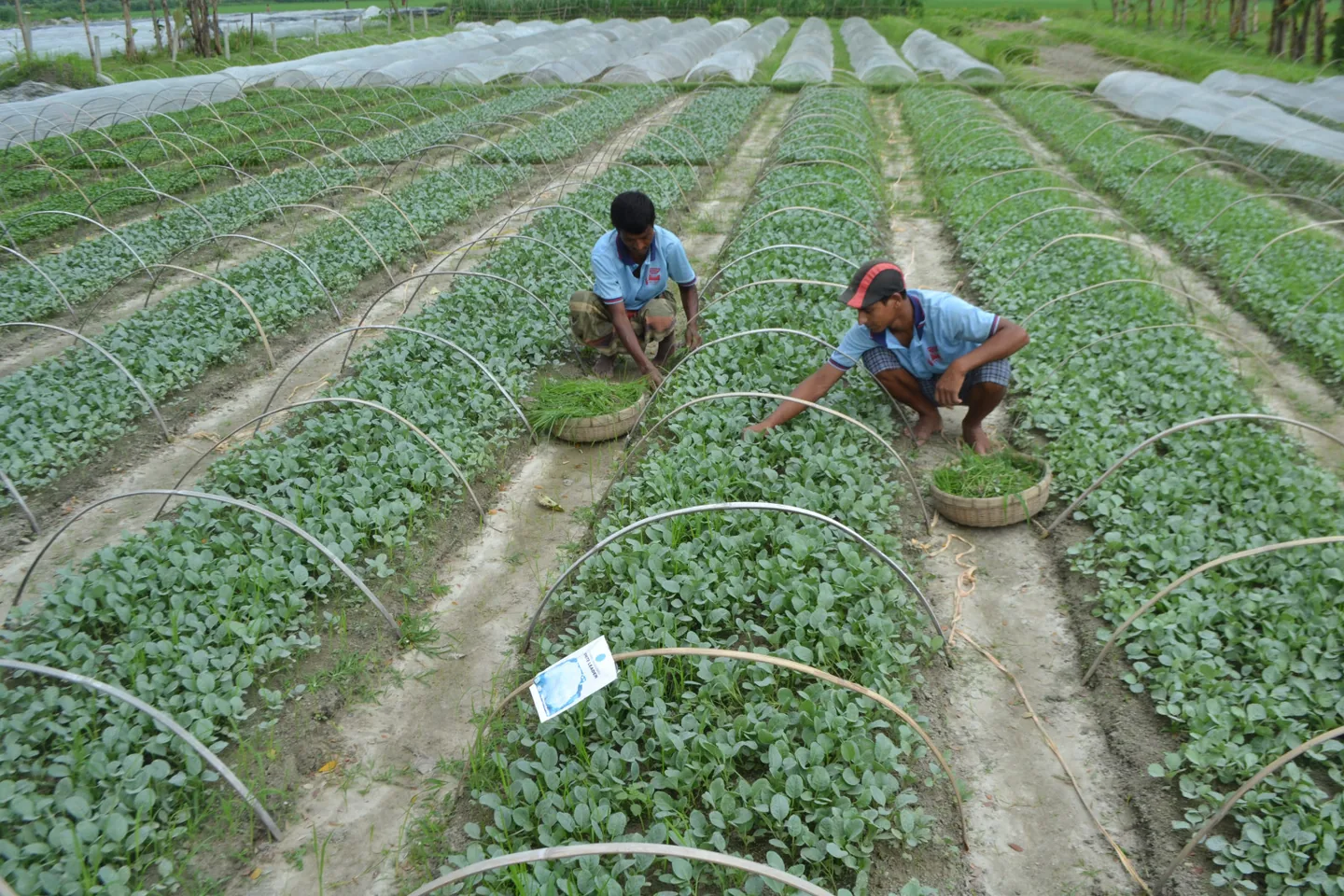
Context image · nursery, Shajahanpur, Bogra
Open for funding
Build the first Mahasthangarh site.
A 12-month first site, with capital released against the four checks above.