Participating unions and farmer groups to be selected for one coastal soybean season from cultivation through harvest and sale.
03 / Field Systems / Concept note
Noakhali · Twelve months proposed
Operating support sought · No mill or plant purchases
Coastal Soybean
Keep soybean quality through the sale by strengthening seasonal crop advice, drying and grading skills, and clear market information in coastal Noakhali.
Explore the programme
Proposed Cultivera × PPRC collaboration
Crop handling record · Noakhali
Field → Dry → Grade → Sale
01 · GROW
FieldSeasonal care & weather timing
02 · DRY
DryMoisture control & clean storage
03 · GRADE
GradeSorting & visible seed quality
04 · SELL
SaleWeights, deductions & terms
Know the crop. Know the buyer.
Feed-chain context · Noakhali
Coastal crop decisions
The sale starts in the field
A farmer should know what is being graded and why it affects the price before the crop moves.
For a soybean farmer, the sale begins before the crop leaves the field. Harvest timing, drying, handling and quality all influence what a buyer will accept and what the farmer is paid. In coastal Noakhali, weather and transport can make those choices harder.
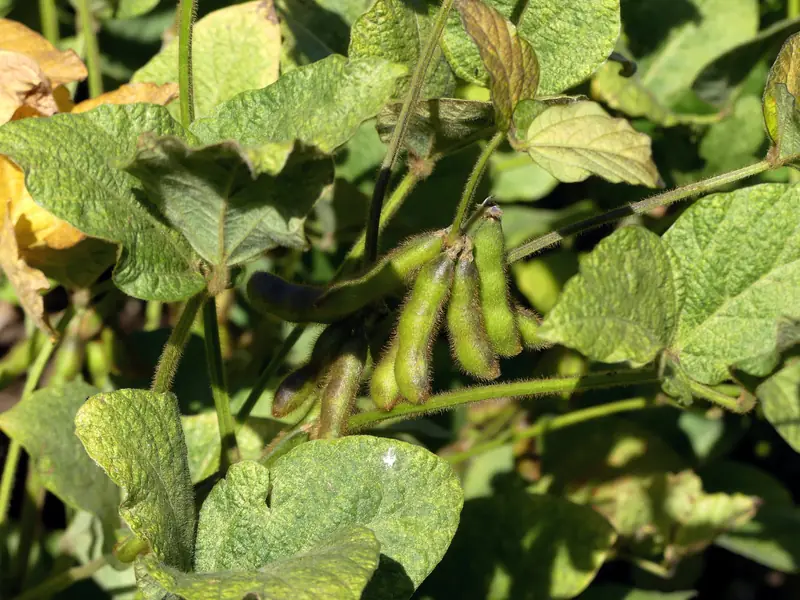
USDA’s 2026 Bangladesh oilseeds assessment reports that locally grown soybeans are used mainly in the domestic feed industry, including full-fat soybean products. This proposal therefore focuses on farmer skills, post-harvest handling and transparent market information. It does not assume that a local oil mill or feed factory would be viable.
Research context · PPRC’s Noakhali consultations identify soybean and agricultural-service needs; USDA’s 2026 report documents Noakhali and Lakshmipur soybean fields on 6 March 2026.
Cultivera Atlas · Evidence
Place, crop and season
District context for a proposed programme, not a confirmed operating site or delivered result.
1 of 3 · Place
Focuses on moisture, grading, weighing and available buyer channels rather than unverified oil-crushing or industrial plant construction.
02 · Crop evidence
What the records show
Cultivera's BBS district record documents soybean production in Noakhali. It does not predict next season's harvest or any results from the proposed programme.
- 2024–25 production
- 12,031 t
- 2024–25 area
- 9,193 ha
BBS Yearbook of Agricultural Statistics 2025, table 3.3.7, via Cultivera Crop Intelligence. Rounded district estimates.
03 · Seasonal guide
When learning should happen
The published Chattogram-region soybean calendar includes Noakhali. It can help arrange instruction, with final dates agreed locally.
- JanEstablishment
- FebVegetative growth
- MarReproduction
- AprMaturity and harvest
Published BAMIS soybean calendar. Month groups are approximate and not a field-specific forecast.
Proposed work
Grow. Handle. Understand. Follow through
A farmer-service programme that follows the coastal soybean crop from seasonal field care through buyer grading and settlement.
Crop handling narrative · Field → Dry → Grade → Sale
Coastal Noakhali · Domestic feed-market route
Grow.
Local advisers lead seasonal sessions on crop care, appropriate inputs and common coastal production problems.
Handle.
Farmers practise harvest timing, drying, safe storage, moisture management and grading using existing fields and temporary learning spaces.
Understand.
Groups examine weighing, quality deductions, transport costs and available sales channels without being tied to a single buyer.
Follow through.
The programme records participation, practical handling changes adopted and evidence of farmer outcomes where they can be measured.
Public source and limits
The coastal soybean record
PPRC’s October 2026 study identifies soybean and local agricultural services among Noakhali’s rural enterprise opportunities.
USDA FAS photographed soybean fields in Noakhali and Lakshmipur on 6 March 2026 and reports that domestic production primarily serves the feed industry.
Any improvement in crop quality, yield, realised price or household income requires local baseline measurement and verification.
Atlas reading · Climate and season
Harvest just before the rains
Soybean matures in April. Weeks later, rain in the Noakhali grid cell nearly triples, so drying and grading skills have to work in that gap.
Noakhali
6Jan
18Feb
72Mar
129Apr
367May
647Jun
845Jul
664Aug
468Sep
281Oct
50Nov
9Dec
Noakhali mean rainfall, April to May.
Open Noakhali rainfallThe published soybean calendar for the Chattogram region, which includes Noakhali, runs from establishment in January to harvest in April.
Open the soybean calendarNoakhali soybean production in 2024–25, from the BBS district record.
Open soybean recordsMonthly rainfall values
| mm | Jan | Feb | Mar | Apr | May | Jun | Jul | Aug | Sep | Oct | Nov | Dec |
|---|---|---|---|---|---|---|---|---|---|---|---|---|
| Noakhali | 6 | 18 | 72 | 129 | 367 | 647 | 845 | 664 | 468 | 281 | 50 | 9 |
| Lakshmipur | 6 | 18 | 58 | 129 | 299 | 483 | 603 | 498 | 369 | 226 | 48 | 9 |
Rainfall: CHIRPS v3.0, Climate Hazards Center, UC Santa Barbara, via Cultivera Climate Atlas. Each value is the 1991–2020 mean for the single 0.05° grid cell containing the district reference point, not a district average. Crop calendars: published BAMIS calendars via Cultivera Seasons Atlas. Production: BBS Yearbook of Agricultural Statistics 2025 via Cultivera Crop Intelligence. Context for planning, not a forecast or a programme result.

Success measures · KPI plan
Measure the sale, not the promise
A survey before sowing will establish starting conditions and realistic targets. These measures describe what would be checked, not results already achieved.
| Measure | Out of | Evidence | Reported | Category |
|---|---|---|---|---|
| K1Handling practiceParticipating farmers who dry, moisture-check, sort and store the crop as taught at the next harvest. | Participating farmers | Harvest-time field visits | May | Livelihood |
| K2Market literacyFarmers who correctly read weight, moisture deduction and charges on a sample sale slip. | Farmers completing sessions | Practical exercise | After each session series | Education |
| K3Transparent salesSales recorded with weight, moisture deduction, price and payment date. | Sales by participating farmers | Farmer-held sale records | After harvest | Livelihood |
| K4Coastal-risk adviceFarmers who receive salinity, waterlogging and rain-timing advice before sowing and before harvest. | Participating farmers | Session register and advisory notes | December and April | Environment & climate |
| K5Independent groupsFarmer groups that meet, keep records and are not tied to a single buyer. | Groups formed or supported | Group minutes and records | Quarterly | Livelihood |
Results are intended measures for a Concept, not delivered achievements. No yield, price or income gain is promised in advance.
Allocation · Percent only
Where the money goes
Proposed spending is grouped by the training and field activities it would support, using Bangladesh Bank CSR categories.
Environment & climate20%Education30%Livelihood50%
Environment & climate
20%Pre-sowing and pre-harvest coastal-risk advice, classed as climate only if the bank accepts the adaptation evidence.
Health
0%No line is classed as health spending.
Education
30%Market-literacy facilitation, practical exercises and teaching materials.
Livelihood
50%Agronomists, field facilitators, drying and grading sessions, and group support.
- Primary CSR home
- Livelihood · farmer groups, §6.4.1
- Duration
- 12 months
- Reach
- Set at baseline
- Request
- Operating costs only
Planning allocation, in percentages only. Coordination, baseline and reporting are spread across the measures they serve, so no taka is counted twice. Amounts are fixed once quotes are confirmed, and the participating bank's Sustainable Finance Unit confirms each line's category. Bangladesh Bank CSR guidelines ↗
Programme support · Operating costs only
Fund farmer advice, not a mill
Bank CSR support would cover agronomists, field facilitators, farmer sessions, temporary meeting and demonstration space, teaching materials, visits and monitoring.
No soybean mill, crusher, buildings, machinery, commercial stock or trading finance would be purchased with CSR funds.
Operating activities
- Agronomists and local farmer facilitators
- Temporary learning spaces and field demonstration costs
- Drying, grading and market-literacy instruction
- Baseline work, participant research and outcome reporting
Policy context: Bangladesh Bank SFD Circular No. 01 (9 January 2022), sections 6.4.1–2. Any climate classification would require a separately evidenced adaptation activity, confirmed by the participating bank.
Working together
Proposed roles and partners
Proposed programme geography: coastal Noakhali, with participating unions and farmer groups selected during field planning.
Cultivera
Coordinates farmer groups, local agricultural advisers, practical training delivery and reporting.
PPRC · Proposed research partner
Proposed research and community-engagement partner, supporting baseline work, participant research and analysis of results. This partnership has not been agreed or contracted.
Local practitioners
Existing community groups, agronomists and local handlers who provide field relationships and practical demonstrations, subject to agreement.