
CHIRPS v3.0 · Climate Hazards Center · 1991–2020 · mm in one 0.05° grid cell
Mean annual rainfall in the Chapainawabganj grid cell, the lowest of 64 district cells. Naogaon's is 1,586 mm.
Open Chapainawabganj rainfallOpen for funding · Chapainawabganj + Naogaon
Mother-tongue learning.
Stronger livelihoods.
A proposed programme in Chapainawabganj and Naogaon, beginning with three neighbouring villages.
Request the three-village briefRegional context
A 2024 study including Nachol found high drought-severity exposure. In 2026, government–UNDP work in drought-prone Naogaon centred on water security, climate-smart irrigation and resilient livelihoods. ROOTS starts with three neighbouring villages, confirmed before delivery.
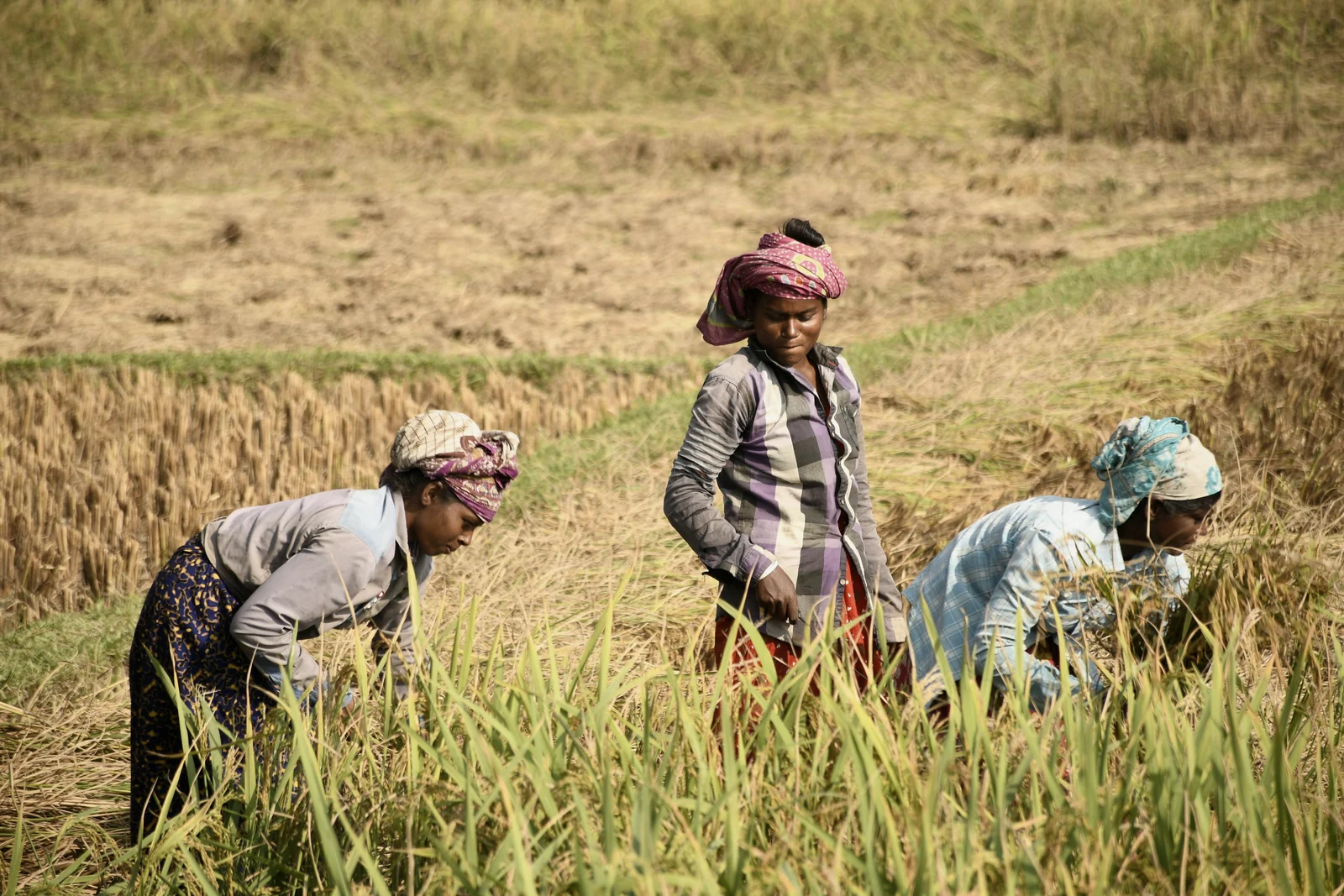
Culture + language
Naogaon records Santali alongside Bengali and multiple ethnic communities; Chapainawabganj Sadar records Santal, Oraon, Mahato and Munda communities. UNICEF reports persistent learning barriers for ethnic-minority children in Bangladesh.
Of the 64 district reference cells in the Climate Atlas, Chapainawabganj's has the lowest 1991–2020 rainfall normal. Naogaon's is the 4th lowest. Boro rice grows through the driest months of the year.
CHIRPS v3.0 · Climate Hazards Center · 1991–2020 · mm in one 0.05° grid cell
Mean annual rainfall in the Chapainawabganj grid cell, the lowest of 64 district cells. Naogaon's is 1,586 mm.
Open Chapainawabganj rainfallBangladesh Agro-Meteorological Information Service (BAMIS) · published calendar windows · published crop stage and month
Boro rice runs from seedbed in December–January to harvest in May in the BAMIS calendar for the Rajshahi region, which covers both districts. That period brings 185 mm.
Open the rice calendarBBS Yearbook of Agricultural Statistics · 2024–25 · districts ranked by recorded production
Naogaon ranks #2 in recorded rice production in 2024–25. Chapainawabganj ranks #34.
Open rice records| mm | Jan | Feb | Mar | Apr | May | Jun | Jul | Aug | Sep | Oct | Nov | Dec |
|---|---|---|---|---|---|---|---|---|---|---|---|---|
| Chapainawabganj | 16 | 10 | 15 | 40 | 101 | 230 | 325 | 277 | 273 | 123 | 14 | 3 |
| Naogaon | 10 | 13 | 20 | 72 | 154 | 299 | 324 | 247 | 277 | 152 | 15 | 4 |
Regional context, not a ROOTS baseline. Village water and livelihood conditions are measured before delivery. Rainfall: CHIRPS v3.0, Climate Hazards Center, UC Santa Barbara, via Cultivera Climate Atlas. Each value is the 1991–2020 mean for the single 0.05° grid cell containing the district reference point, not a district average. Crop calendars: admitted BAMIS calendars via Cultivera Seasons Atlas. Production: BBS Yearbook of Agricultural Statistics 2025, via Cultivera Crop Intelligence.
Programme landscape
105 villages.
The wider 24-month proposal covers up to 105 villages across Chapainawabganj Sadar, Nachol and Patnitala. Work would begin in three neighbouring villages; exact sites and activities still need to be agreed.
Four routes
Each area of work has proposed targets and ways to check progress.
Can I learn in my own language?
520 youth + adults in mother-tongue literacy · 1,500 students with stipends + materials · 68 facilitators
Attend → Learn → Continue
Can I reach care, water and support?
10 submersible water systems · 165 health + service workers trained · 8,000 people targeted
Function → Quality → Use → Referral
Can my household produce and earn?
950 households in sustainable-agriculture training · 810 families with seeds + inputs · 20 micro-enterprises · 40 young people who have left school in vocational training · 500 adopters targeted
Adopt → Produce → Continue → Sell
Can I influence what affects us?
105 village committees · 3 community-based organisations linked to local government
Represent → Raise → Respond → Follow through
Continuity test
Explore what would need to continue if direct project support were reduced.
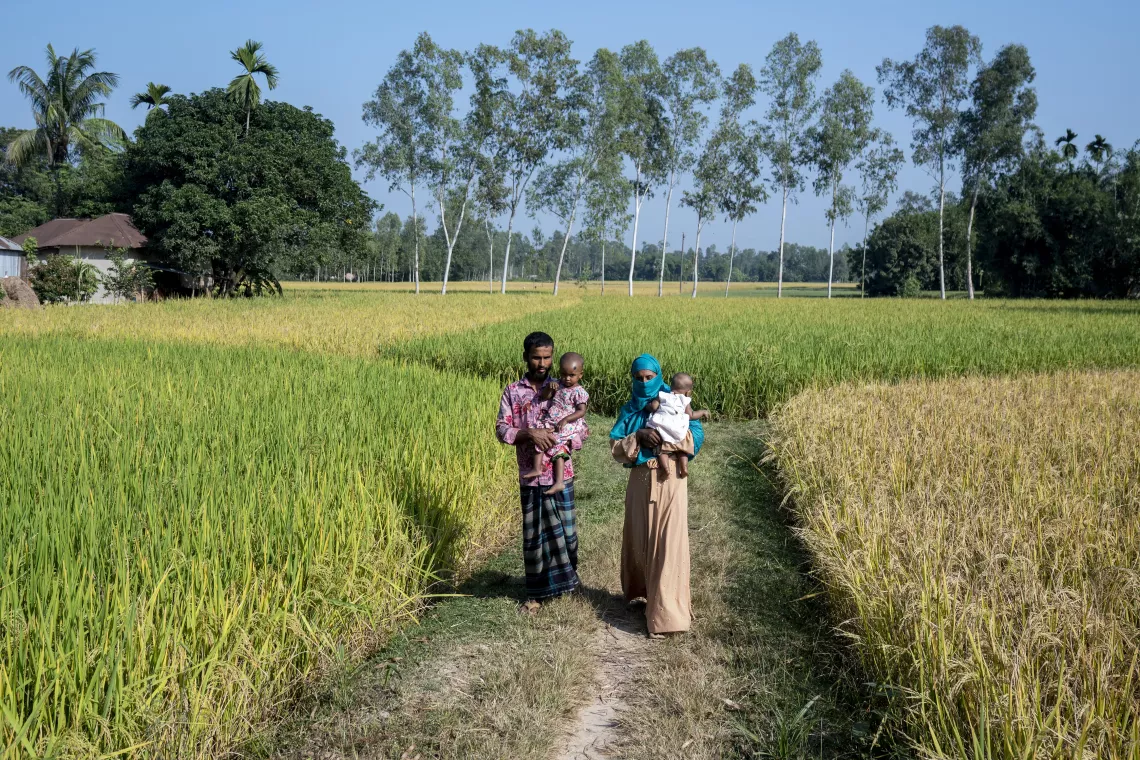
ROOTS proposes mother-tongue learning, materials and facilitator support.
Indicative allocation
Indicative programme model. The three-village brief will confirm its scope, costs and applicable allocation.
25%
Mother-tongue learning, student support, cultural continuity.
25%
Health access, trained providers, safe water.
25%
Climate-resilient agriculture, inputs, continued production.
10%
Vocational skills and micro-enterprise.
15%
Village committees, CBOs, local-government links.
Cultivera planning allocation · percentages total 100%.
Readiness
Exact three villagesConfirm neighbouring sites and sequence.
Community consentConfirm participation, self-identification and priorities.
Delivery capacityConfirm responsible people and organisations.
SafeguardsClose child, health, data, grievance and inclusion controls.
Baseline + first-year planSet starting conditions, service links and maintenance responsibilities.
Final project planLock quantities, responsibilities, sequence and recurring requirements.
Open for funding
In the first three villages, test whether learning, water, livelihoods and community decision-making can continue with less project support.
Request the three-village briefOpen for funding
In progress